A professionally installed truck wrap is designed to withstand years of daily use, but its longevity depends on more than just the quality of the vinyl. Factors such as weather exposure, cleaning practices, vehicle usage, and routine maintenance all play a role in determining how long a wrap continues to look its best.
For businesses that rely on commercial vehicles, fleet graphics, and branded trucks, maintaining vehicle wraps is also about protecting an investment. Whether you operate a single service truck, a box truck, or an entire fleet, proper care can help preserve appearance, reduce premature wear, and extend the lifespan of your graphics.
In this guide, we’ll cover the best practices for truck wrap maintenance, common mistakes to avoid, and specific considerations for businesses operating throughout New York, New Jersey, and the East Coast.
How Long Does a Truck Wrap Typically Last?
Most professionally installed truck wraps last between five and seven years, although actual lifespan depends on several factors.
Some of the most important include:
- Vinyl quality
- Laminate quality
- Installation quality
- Climate exposure
- Vehicle usage
- Maintenance practices
Premium cast vinyl products such as 3M IJ180, Avery Dennison MPI 1105, and other commercial-grade wrap films are designed for long-term vehicle applications. When paired with proper maintenance, these materials can maintain their appearance for many years.
Vehicles that spend most of their time outdoors, travel long distances, or operate in harsh environments may experience faster wear than vehicles stored indoors or used less frequently.
Why Truck Wrap Maintenance Matters
Truck wraps are exposed to a wide range of conditions throughout their lifespan. Dirt, road grime, UV exposure, weather, and environmental contaminants can all affect the appearance of the graphics over time.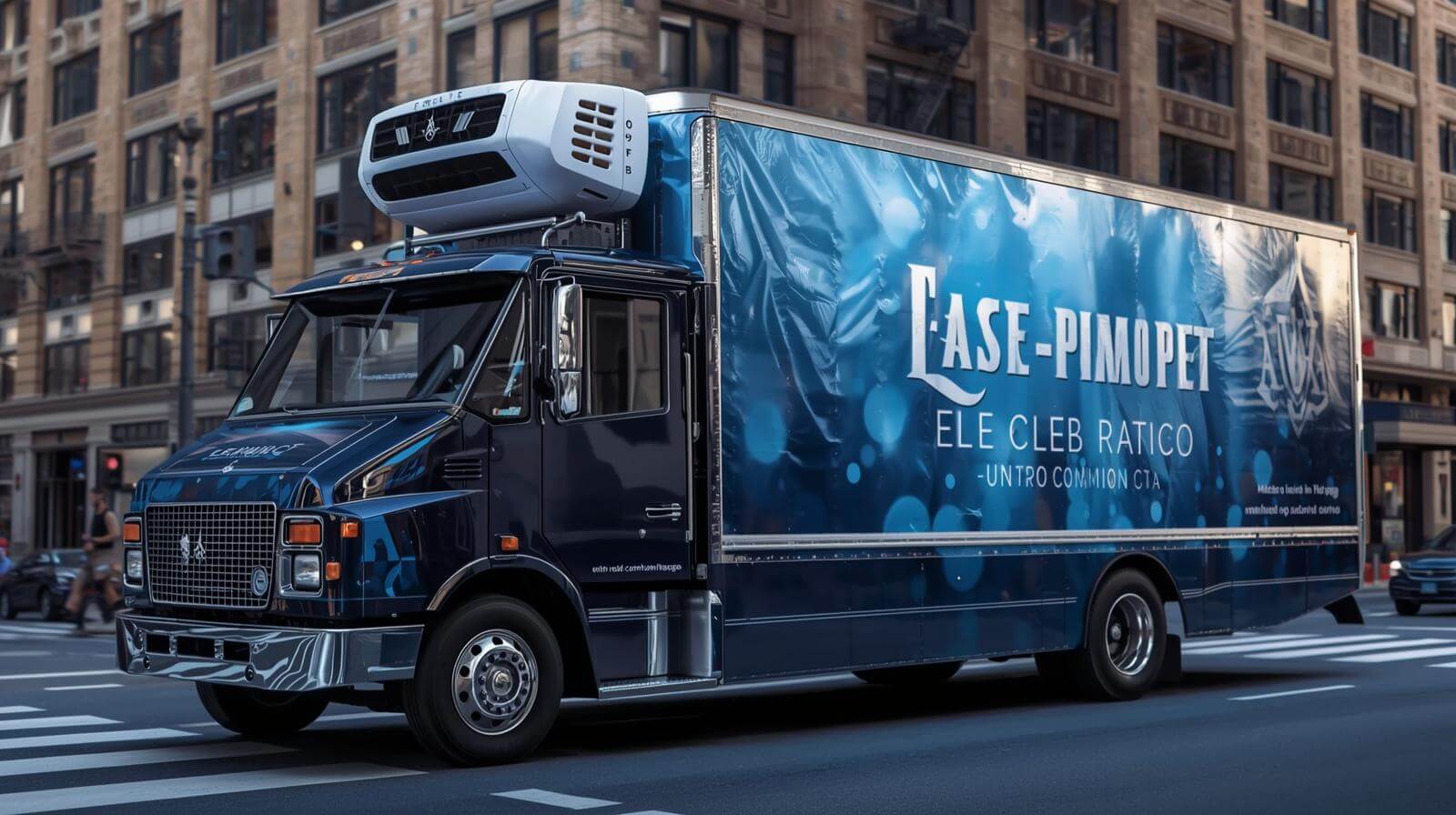
Regular maintenance helps:
- Preserve color consistency
- Maintain a professional appearance
- Reduce premature wear
- Protect graphic edges
- Extend wrap lifespan
- Improve fleet consistency
For businesses operating multiple vehicles, maintenance also helps ensure branding remains consistent across the entire fleet.
Wash Your Truck Regularly
Routine cleaning is one of the most important aspects of wrap maintenance.
Commercial vehicles accumulate:
- Road grime
- Dust
- Salt
- Pollution
- Insects
- Fuel residue
Allowing these contaminants to remain on the surface for extended periods can make cleaning more difficult and may contribute to premature deterioration.
Most wrapped vehicles benefit from regular washing throughout the year, particularly those operating daily.
Hand Washing vs Pressure Washing
Hand Washing
Hand washing remains the preferred method for maintaining vehicle wraps.
Using:
- Mild automotive soap
- Clean water
- Soft microfiber cloths
- Non-abrasive wash mitts
helps minimize the risk of damaging the graphics.
Hand washing also provides an opportunity to inspect the wrap for lifting edges, scratches, or other issues.
Pressure Washing
Pressure washing can be used, but precautions should be taken.
When using a pressure washer:
- Avoid directing water at wrap edges.
- Maintain adequate distance from the surface.
- Use moderate pressure settings.
- Avoid concentrated spray on seams.
Improper pressure washing can increase the likelihood of edge lifting or graphic damage.
Cleaning Products to Avoid
Not all cleaning products are safe for vehicle wraps.
Avoid:
- Abrasive cleaners
- Solvent-based products
- Petroleum-based cleaners
- Harsh degreasers
- Rough scrubbing pads
These products can damage the laminate, affect the vinyl surface, or reduce the lifespan of the graphics.
When in doubt, use wrap-safe cleaning products recommended for commercial vehicle graphics.
Remove Contaminants Quickly
Some contaminants can become more difficult to remove the longer they remain on the vehicle.
Examples include:
- Bird droppings
- Tree sap
- Road tar
- Fuel spills
- Bug residue
Removing these materials promptly helps prevent staining and reduces the likelihood of surface damage.
Protect Your Wrap From UV Exposure
Sunlight is one of the largest contributors to long-term wrap aging.
Over time, UV exposure can contribute to:
- Color fading
- Surface deterioration
- Reduced gloss levels
- Shortened wrap lifespan
Whenever possible, businesses should consider:
- Covered parking
- Indoor storage
- Parking in shaded areas
While modern wrap materials include UV protection, reducing prolonged sun exposure can help preserve appearance over time.
East Coast Weather and Truck Wrap Maintenance
Businesses operating throughout New York, New Jersey, Pennsylvania, Connecticut, and the broader East Coast face environmental conditions that differ significantly from other parts of the country.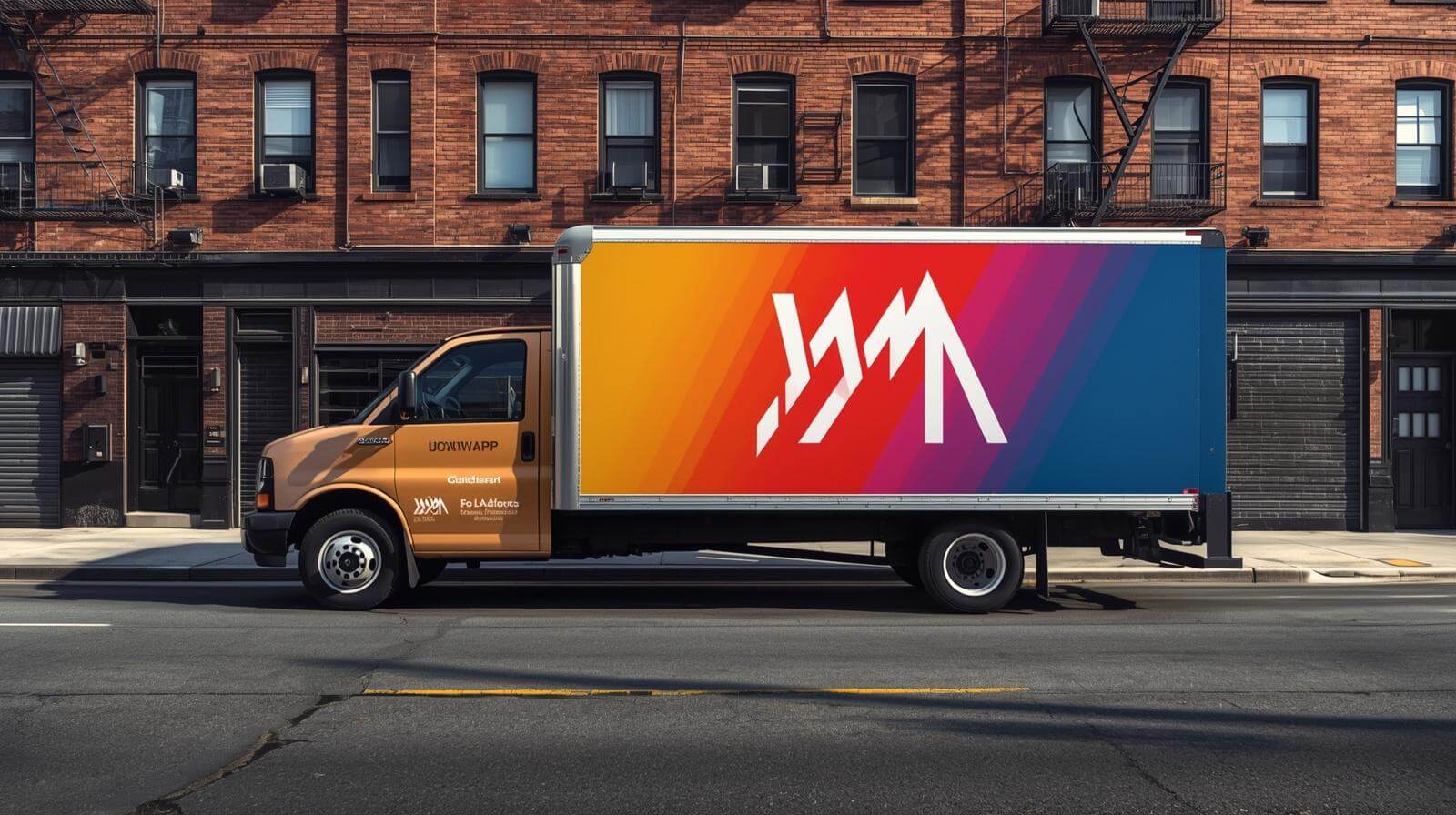
Seasonal weather patterns can have a direct impact on vehicle wraps and fleet graphics.
Winter Road Salt and De-Icing Chemicals
Commercial vehicles operating during winter are routinely exposed to:
- Road salt
- Brine solutions
- De-icing chemicals
These materials commonly accumulate around:
- Wheel wells
- Lower body panels
- Rocker panels
- Lift gates
- Rear bumpers
Regular washing during winter helps prevent buildup and reduces contamination around graphic edges and seams.
Summer Heat and UV Exposure
Although the Northeast does not experience year-round extreme heat, summer temperatures combined with direct sunlight can still affect vehicle graphics.
Vehicles parked outdoors for extended periods may experience:
- Higher surface temperatures
- Increased UV exposure
- Accelerated wear of lower-quality materials
Premium cast vinyl and laminate systems generally perform better under these conditions.
Coastal Conditions
Businesses operating near:
- Long Island
- Staten Island
- Jersey Shore
- Coastal Connecticut
may encounter additional exposure to salt air and moisture.
Routine cleaning helps remove deposits before they accumulate on graphic surfaces.
Freeze-Thaw Cycles
One of the most overlooked challenges for East Coast vehicles is the constant freeze-thaw cycle.
Vehicles may experience:
- Snow
- Ice
- Rain
- Freezing temperatures
- Rapid temperature changes
These conditions can place stress on vehicle surfaces and make routine inspections especially important.
Seasonal Truck Wrap Maintenance Schedule
Spring
- Remove winter residue
- Inspect wrap edges
- Address any damage from winter conditions
Summer
- Increase wash frequency
- Monitor UV exposure
- Remove insects and contaminants promptly
Fall
- Prepare vehicles for winter
- Inspect for edge lifting
- Repair minor damage
Winter
- Wash vehicles regularly
- Remove road salt buildup
- Avoid aggressive scraping on wrapped surfaces
Fleet Wrap Maintenance Best Practices
For businesses operating multiple vehicles, consistency is just as important as cleanliness.
When we install fleet graphics, we often recommend establishing a routine maintenance schedule across all vehicles. Regular inspections and cleaning help maintain a consistent appearance and reduce noticeable differences between newer and older fleet vehicles.
Fleet maintenance programs typically include:
- Scheduled cleaning
- Damage inspections
- Edge inspections
- Prompt repairs
- Documentation of graphic condition
A proactive approach can help reduce long-term replacement costs while maintaining a professional appearance throughout the fleet.
Signs Your Truck Wrap Needs Attention
Routine inspections can help identify small issues before they become larger problems.
Common warning signs include:
- Edge lifting
- Tears
- Scratches
- Surface damage
- Fading
- Laminate wear
Addressing these issues early can often prevent more extensive repairs.
When Should a Truck Wrap Be Replaced?
Even well-maintained wraps eventually reach the end of their service life.
Replacement may be appropriate when:
- Graphics become significantly faded
- Damage becomes widespread
- Branding changes
- Fleet updates occur
- Vehicles are repurposed
Businesses considering replacement often ask whether older graphics can be safely removed. In most cases, professionally installed wraps are designed to be removable when replacement becomes necessary.
Professional Wrap Inspections and Repairs
Not every issue requires a complete replacement.
We recommend periodic inspections, particularly for commercial vehicles that operate year-round in demanding environments. Small issues such as edge lifting, isolated damage, or localized wear can often be repaired before larger sections of the wrap are affected.
Early intervention helps maximize the lifespan of the graphics and maintain a professional appearance.
Maintaining Truck Wraps for Businesses Across New York and New Jersey
Proper maintenance is one of the most effective ways to protect the appearance and longevity of commercial vehicle graphics. From routine cleaning and seasonal inspections to fleet-wide maintenance programs, a proactive approach can help keep wraps looking professional for years.
At Pixel Wraps, we help businesses throughout New York and New Jersey maximize the lifespan of their vehicle graphics through proper installation, premium materials, and ongoing support. Whether you’re maintaining a single service truck or managing a fleet of branded vehicles, investing in routine care can help preserve both your graphics and your brand.