For most commercial vehicle owners, the choice between a truck wrap and custom paint comes down to more than appearance. Both options can change how a vehicle looks, but they serve very different purposes when it comes to branding, fleet management, maintenance, and long-term business goals.
A paint job changes the color and finish of a vehicle. A truck wrap can change the appearance while also displaying company branding, contact information, service offerings, fleet identifiers, and other business-related graphics. For contractors, service companies, delivery providers, and fleet operators, the decision often has less to do with aesthetics and more to do with flexibility, consistency, and long-term value.
If you’re comparing truck wraps and paint for a commercial vehicle, understanding the strengths and limitations of each option can help determine which solution makes the most sense for your business.
Understanding the Difference Between Truck Wraps and Paint
Before comparing costs, maintenance, and long-term value, it’s important to understand what each solution is designed to accomplish.
What Is a Truck Wrap?
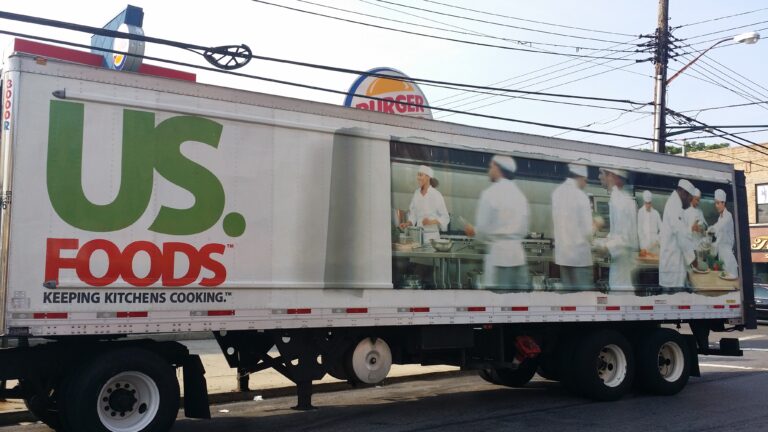
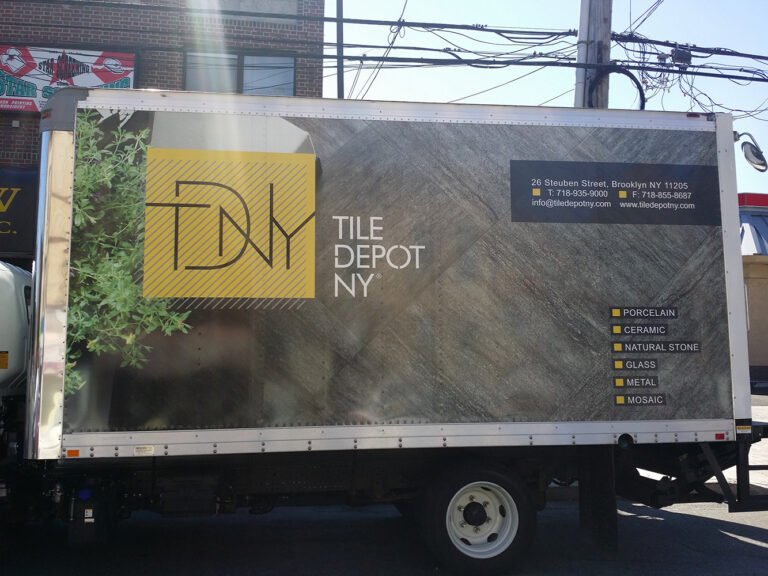
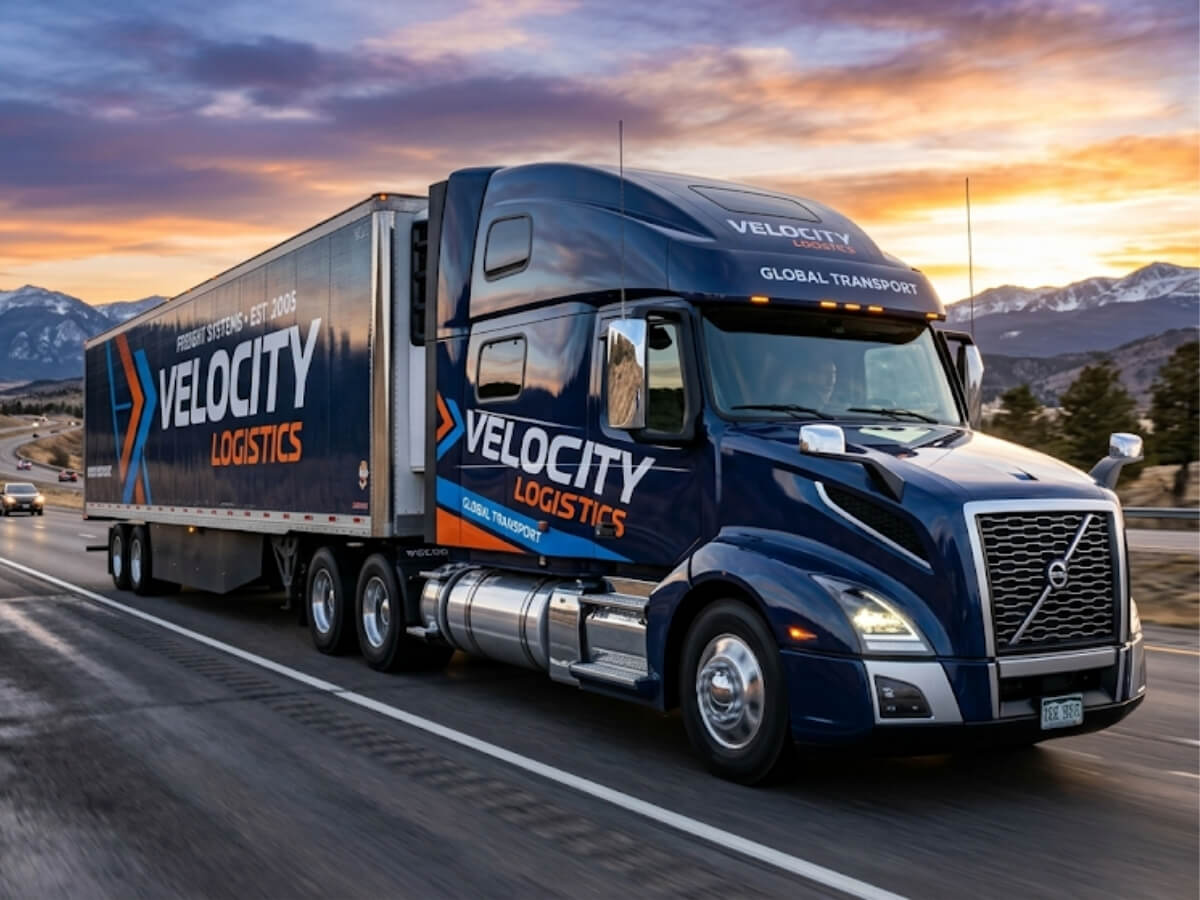
A commercial truck wrap consists of printed or colored vinyl film applied directly to the vehicle’s painted surfaces. Wraps can be installed as simple graphics packages, partial wraps, or full wraps depending on branding goals and budget.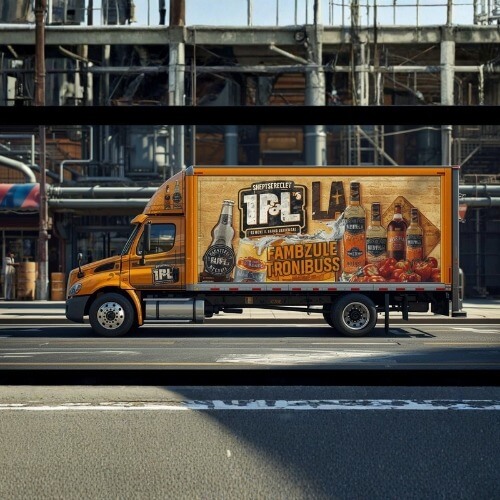
Commercial wraps are commonly used to display:
- Company logos
- Contact information
- Websites
- Service lists
- Fleet numbers
- Brand colors
- Promotional graphics
One of the biggest advantages of a wrap is that it can be updated, replaced, or removed when business needs change.
What Is Custom Vehicle Paint?
Custom paint permanently changes the vehicle’s finish through surface preparation, priming, painting, and clear coating.
Paint is commonly used for:
- Color changes
- Specialty finishes
- Restoration projects
- Custom vehicle builds
- Show vehicles
Unlike wraps, paint is intended to become a permanent part of the vehicle and is generally not designed for frequent updates or modifications.
What Are You Trying to Accomplish?
This is often the most important question businesses should ask before deciding between wraps and paint.
You Want to Change the Vehicle Color
If the primary goal is changing the vehicle’s color and creating a permanent finish, paint may be a suitable option.
You Need Company Branding
If the goal is displaying company information, services, logos, contact details, and brand elements, wraps are usually the more practical solution.
A paint job can change a vehicle’s appearance, but it typically cannot communicate the information most businesses need customers to see.
You Manage Multiple Vehicles
Businesses operating multiple trucks often prioritize consistency.
Applying a standardized graphics package across multiple vehicles is generally easier and more scalable with wraps than with custom paint.
You Expect Future Branding Changes
Many businesses evolve over time.
New logos, updated services, acquisitions, additional locations, and rebranding initiatives can all require changes to vehicle graphics. Wraps provide significantly more flexibility when updates become necessary.
You Want a Permanent Finish
If long-term permanence is the primary objective and branding flexibility is not a concern, paint may be the better fit.
Which Option Is Better for Commercial Branding?
For most commercial applications, wraps and paint are not direct substitutes.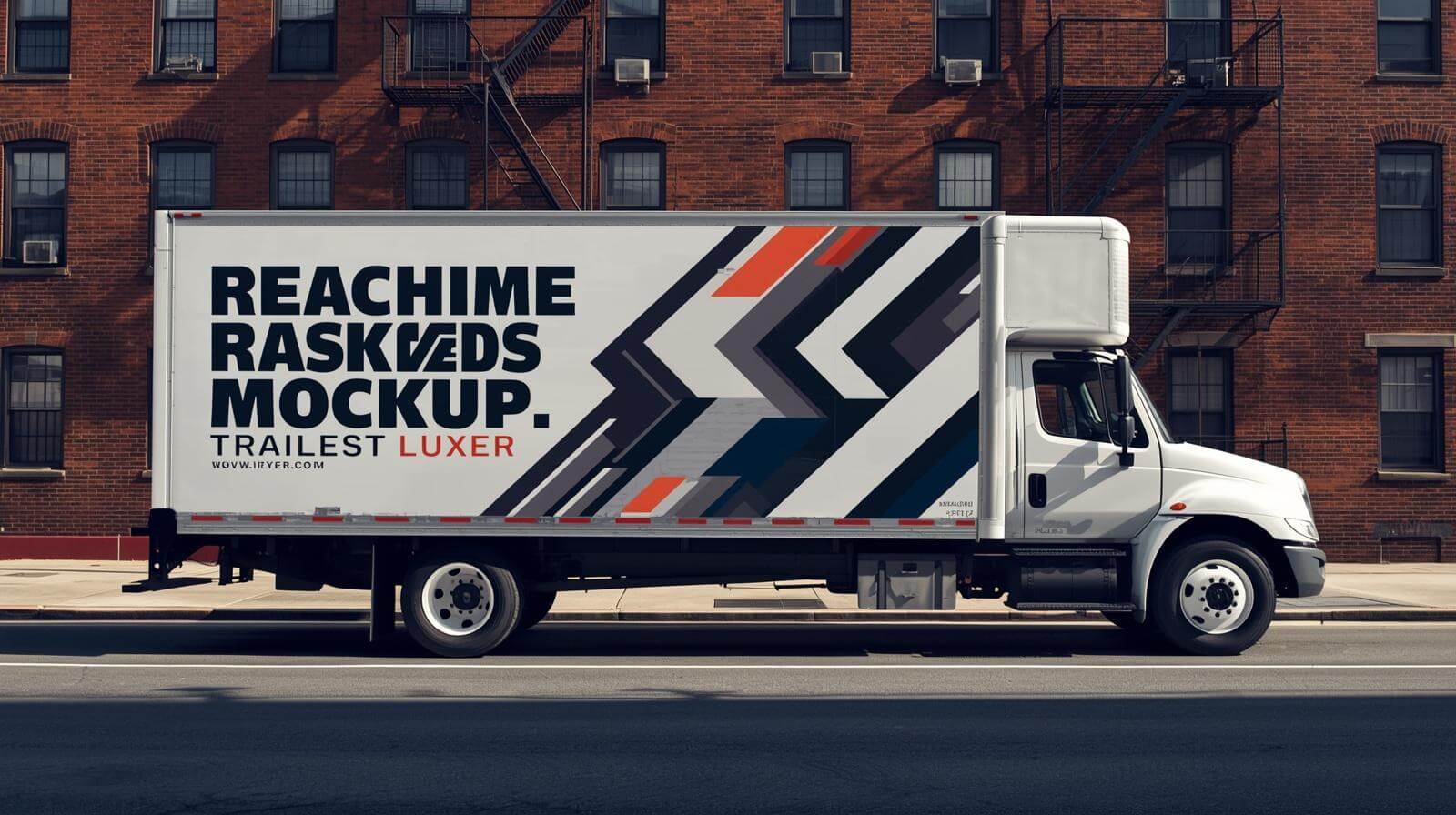
Paint changes the vehicle.
Wraps communicate information.
A truck wrap can display:
- Company branding
- Service information
- Contact details
- Licensing information
- Fleet identifiers
- Marketing messages
A paint job typically requires additional lettering or graphics if the vehicle is intended to function as a branded business asset.
This distinction is one of the primary reasons wraps have become the preferred choice for many commercial fleets.
Why Most Commercial Fleets Choose Wraps Over Paint
Fleet operators often evaluate vehicle branding differently than individual vehicle owners.
As fleets grow, businesses must think about:
- Vehicle replacements
- New vehicle acquisitions
- Standardized branding
- Multiple vehicle types
- Regional operations
- Future expansion
We regularly work with businesses that operate a combination of service trucks, cargo vans, box trucks, and utility vehicles. Maintaining consistent branding across all of these platforms can be difficult through paint alone.
A standardized wrap program allows businesses to apply the same branding system across every vehicle while simplifying future additions and replacements.
For many fleet operators, this scalability becomes one of the strongest arguments for wraps.
Vehicle Downtime and Installation Time
Commercial vehicles generate value when they are operating, not when they are sitting in a shop.
Paint Projects
Paint work often involves:
- Sanding
- Surface preparation
- Priming
- Painting
- Drying
- Cure time
Depending on the project, vehicles may be unavailable for several days or longer.
Truck Wrap Projects
Wrap installations generally involve:
- Design
- Printing
- Production
- Installation
Because wraps do not require the same curing process as paint, many projects can be completed more quickly, helping businesses minimize downtime.
Paint Protection and Resale Considerations
One of the lesser-discussed advantages of wraps is their ability to protect the vehicle’s original finish.
During the life of the wrap, the vinyl acts as a protective layer between the environment and the paint underneath.
Commercial vehicles throughout New York and New Jersey are routinely exposed to:
- UV radiation
- Road debris
- Road salt
- Dirt
- Weather
While wraps are not a substitute for proper maintenance, they can help reduce direct exposure to these elements.
For businesses that regularly rotate vehicles in and out of service, preserving the original finish may also provide resale advantages.
What Happens When the Vehicle Is Replaced?
Commercial vehicles rarely stay in service forever.
Eventually, trucks are sold, retired, reassigned, or replaced.
With paint, recreating branding on a replacement vehicle often requires additional paint work, color matching, and graphics installation.
With wraps, businesses can typically reproduce the existing graphics package and apply it to the replacement vehicle, helping maintain consistency throughout the fleet.
For companies planning long-term growth, this flexibility can simplify future fleet management.
Maintenance Requirements
Both paint and wraps require ongoing care.
Paint may require:
- Polishing
- Paint correction
- Waxing
- Surface restoration
Wrap maintenance generally focuses on:
- Routine washing
- Contaminant removal
- Edge inspections
- Surface cleaning
Neither option is maintenance-free, but each has different long-term care requirements.
East Coast Considerations
Businesses operating throughout New York, New Jersey, Pennsylvania, Connecticut, and the Northeast face conditions that can affect both paint and wraps.
Common environmental factors include:
- Road salt
- Freeze-thaw cycles
- Coastal exposure
- UV exposure
- Heavy annual mileage
These conditions should be considered when evaluating both appearance and long-term maintenance requirements.
When Paint Makes More Sense
Paint may be the better choice when:
- A permanent color change is desired
- The vehicle is being restored
- Specialty finishes are required
- Branding is not a priority
- The vehicle is not part of a larger commercial fleet
When Truck Wraps Make More Sense
Wraps are often the stronger choice when businesses need:
- Vehicle branding
- Fleet consistency
- Future flexibility
- Vehicle identification
- Scalable graphics programs
- Standardized fleet appearance
This is why wraps are commonly used by contractors, service companies, delivery providers, logistics operators, restoration firms, and commercial fleet managers.
Truck Wraps vs Paint Cost Comparison
Cost is important, but it should be evaluated within the context of the vehicle’s purpose and expected lifespan.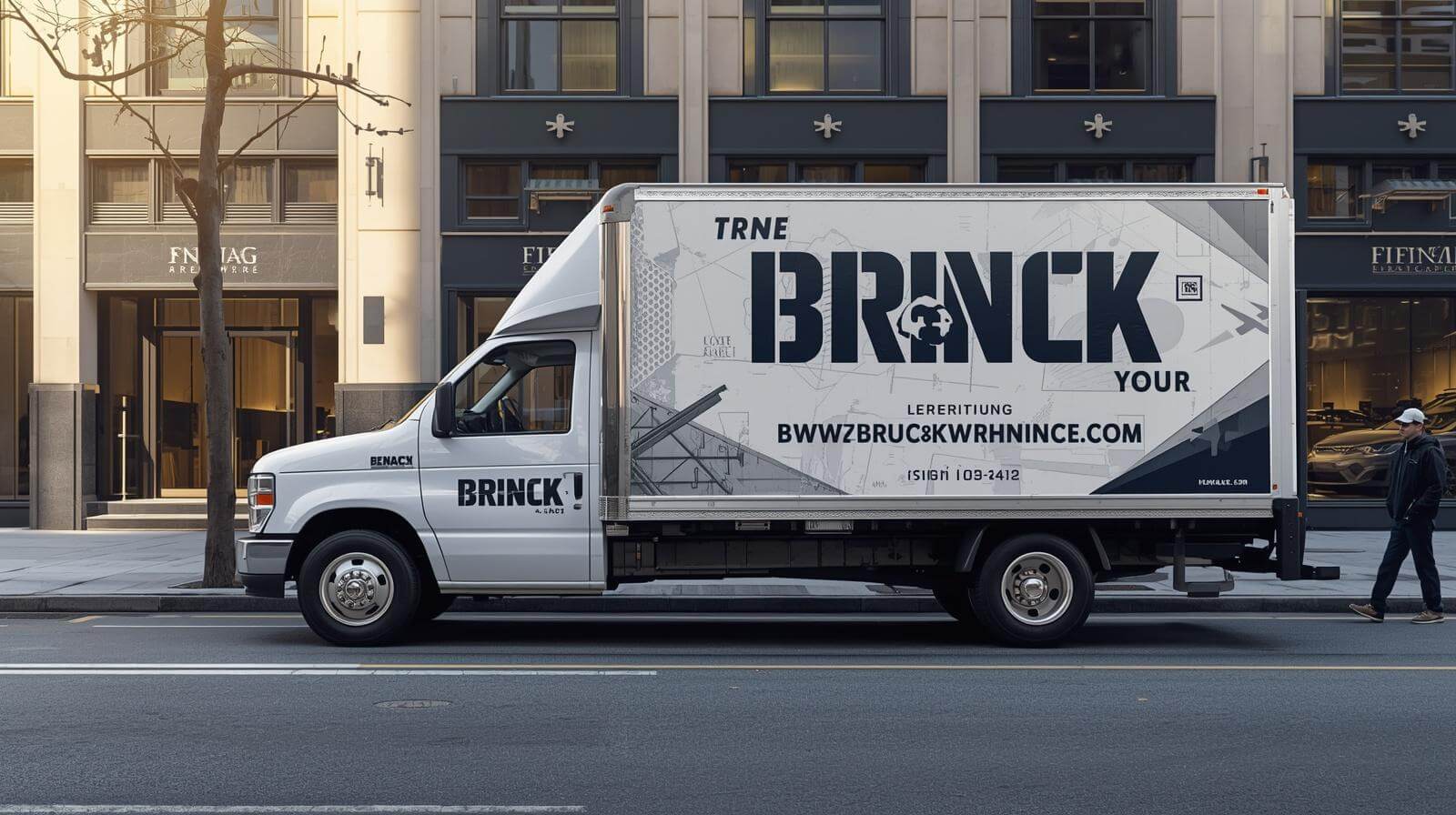
Both paint and wraps vary significantly depending on:
- Vehicle size
- Complexity
- Materials
- Labor requirements
- Branding needs
For many commercial businesses, the more important question is not simply which option costs less, but which option better supports branding, fleet management, and future growth.
Choosing the Right Solution for Your Business
Truck wraps and paint serve different purposes. Paint is primarily a finishing solution. Wraps are branding solutions that also change appearance.
For businesses focused on long-term branding, fleet consistency, vehicle identification, and operational flexibility, wraps are often the more practical commercial option. For permanent color changes, specialty finishes, and restoration projects, paint may be the better choice.
The right solution depends on how the vehicle is used, how important branding is to the organization, and how the business expects its fleet to evolve in the future.