One of the most common decisions businesses face when planning a vehicle graphics project is whether to invest in a full truck wrap or a partial wrap. Both options can provide professional branding, increase vehicle visibility, and create a consistent appearance across a fleet, but they differ significantly in cost, coverage, design flexibility, and long-term branding potential.
For contractors, service companies, delivery providers, and fleet operators, the choice often comes down to balancing budget with branding goals. While a full wrap offers maximum graphic coverage and creative freedom, a partial wrap can often achieve a similar visual impact at a lower cost when designed strategically.
In this guide, we’ll compare full truck wraps and partial wraps, examine the factors that influence pricing, and help determine which option may be the better investment for your business.
What Is a Partial Truck Wrap?
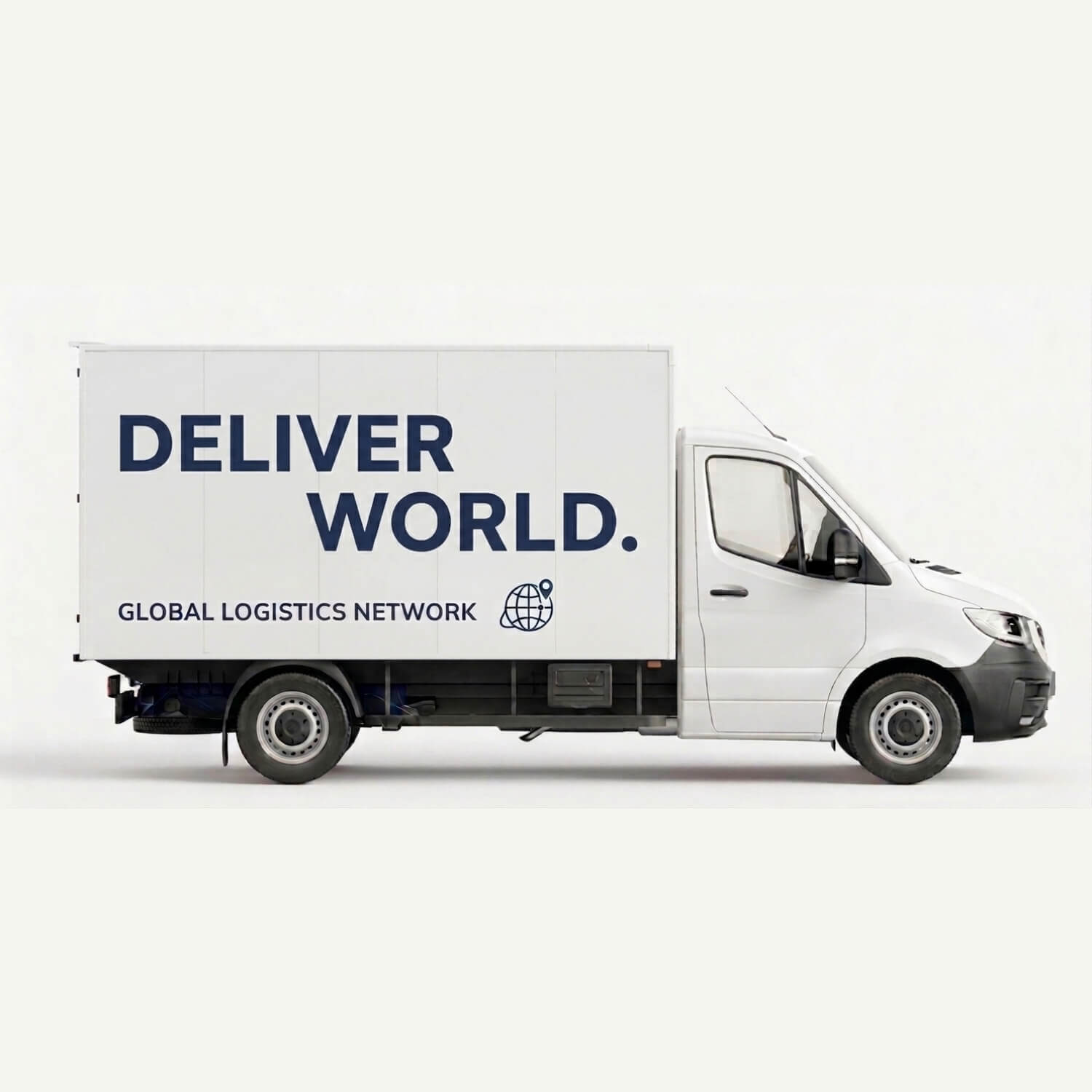
A partial wrap covers selected portions of a vehicle while incorporating the existing paint color into the overall design. Rather than covering every painted surface, graphics are strategically placed on key areas of the truck to create a branded appearance while reducing material and installation costs.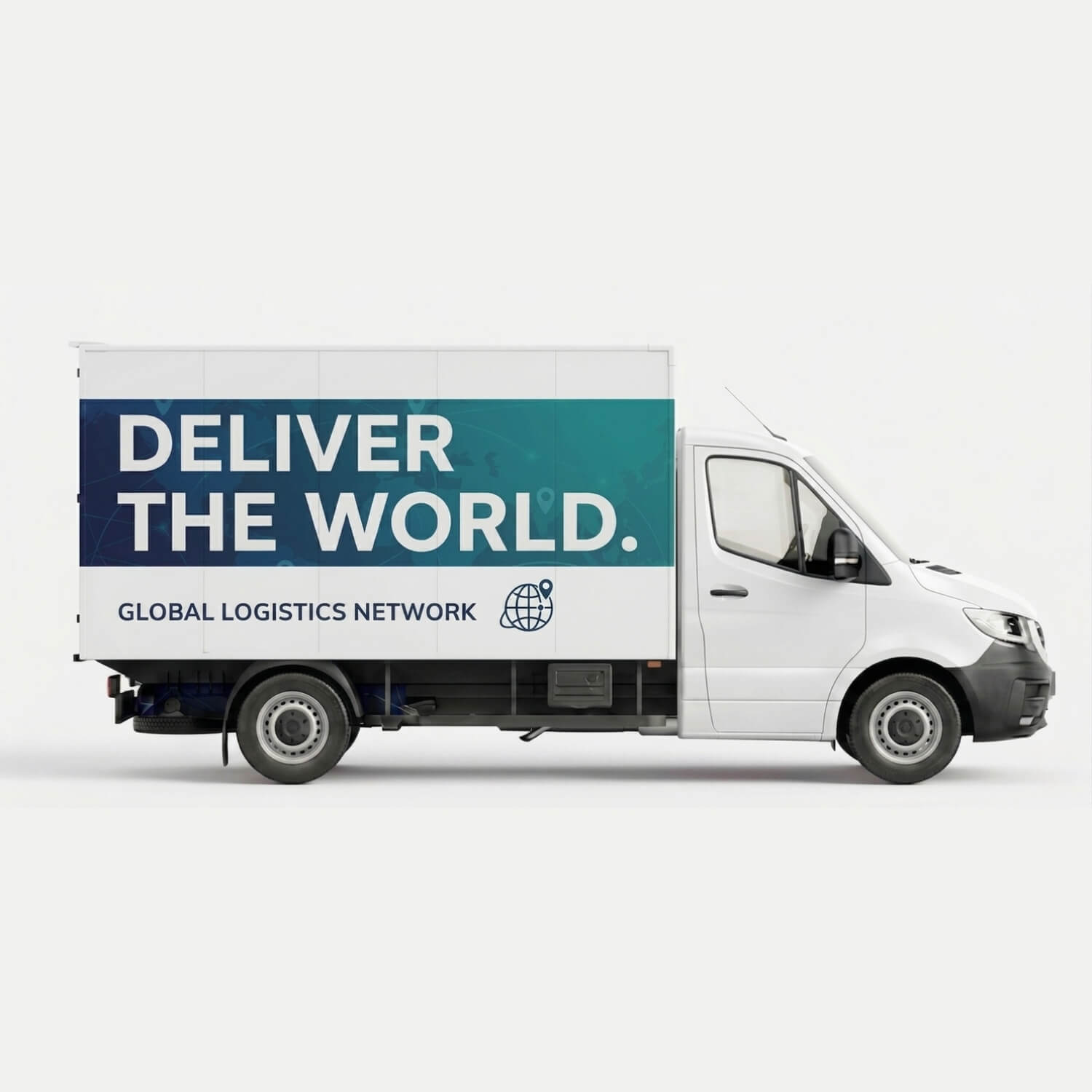
Common areas covered by partial wraps include:
- Vehicle sides
- Rear panels
- Tailgates
- Portions of the hood
- Lower body sections
A well-designed partial wrap uses the vehicle’s factory paint as part of the design, allowing businesses to achieve strong branding without the expense of full vehicle coverage.
Partial wraps are commonly used by:
- Contractors
- Electricians
- Plumbers
- Landscapers
- HVAC companies
- Service providers
Because less vinyl is required, partial wraps typically offer a lower entry point for commercial vehicle branding.
What Is a Full Truck Wrap?
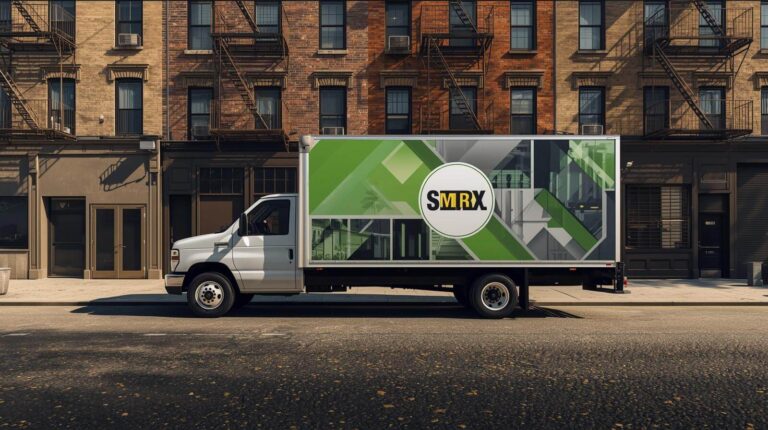
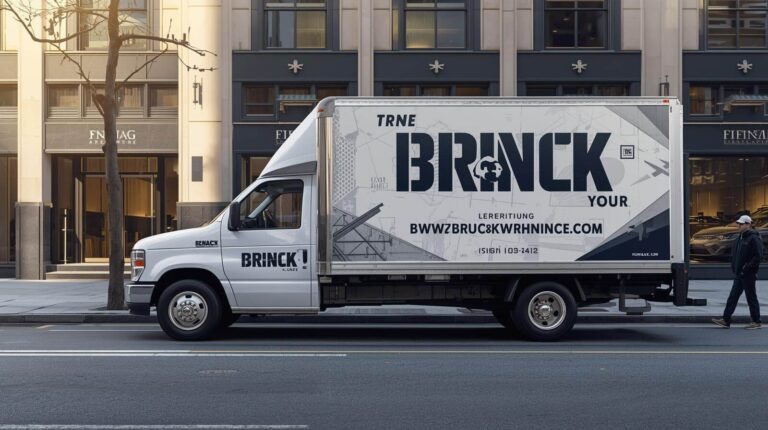
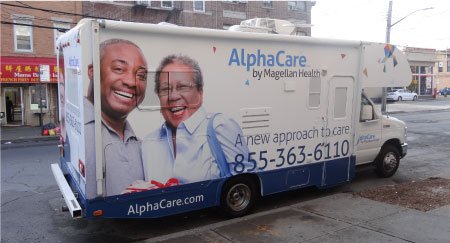
A full truck wrap covers most or all painted surfaces of a vehicle using printed vinyl graphics. The vehicle effectively becomes a blank canvas that can be completely customized with brand colors, logos, imagery, marketing messages, and other graphic elements.
A full wrap may cover:
- Side panels
- Doors
- Hood
- Fenders
- Tailgate
- Rear doors
- Additional painted surfaces
Because the entire vehicle becomes part of the design, businesses have significantly more flexibility when creating a cohesive branded appearance.
Full wraps are often selected by companies that want maximum visibility, strong fleet consistency, or highly customized vehicle graphics.
Average Partial Wrap vs Full Wrap Costs
Although pricing varies based on vehicle type and project scope, the table below illustrates common cost ranges.
| Vehicle Type | Partial Wrap | Full Wrap |
| Pickup Truck | $1,500 – $3,000 | $3,500 – $5,500 |
| Service Truck | $2,000 – $4,000 | $4,000 – $6,500 |
| Utility Truck | $2,500 – $4,500 | $4,500 – $7,500 |
| Cargo Van | $1,800 – $3,500 | $3,800 – $6,500 |
| Sprinter Van | $2,500 – $4,500 | $4,500 – $7,500 |
| Box Truck | $3,500 – $8,000 | $5,500 – $12,000+ |
In most cases, a full wrap costs between 30% and 100% more than a partial wrap depending on the vehicle and coverage requirements.
However, cost alone does not determine value. The effectiveness of either option depends on how the graphics are designed and how the vehicle is used.
Why Full Wraps Cost More
The primary reason full wraps cost more is simple: they require more materials and more labor.
A full wrap typically involves:
- More printable vinyl
- More laminate
- More installation time
- Greater design complexity
- Additional production time
Installers must work around curves, handles, body lines, mirrors, trim pieces, and other vehicle components. Covering larger surface areas increases both production and installation requirements.
For larger vehicles such as box trucks, utility trucks, and fleet vehicles, these additional requirements can significantly impact project cost.
Why Partial Wraps Cost Less
Partial wraps reduce overall coverage while still delivering a professional branded appearance.
Because less material is used, businesses benefit from:
- Lower material costs
- Reduced installation labor
- Faster production timelines
- Shorter installation schedules
A properly designed partial wrap can often create the visual impression of a much larger graphics package while keeping costs under control.
For many small and mid-sized businesses, this balance of visibility and affordability makes partial wraps an attractive option.
Visibility and Brand Impact
Cost is important, but branding effectiveness should also be considered.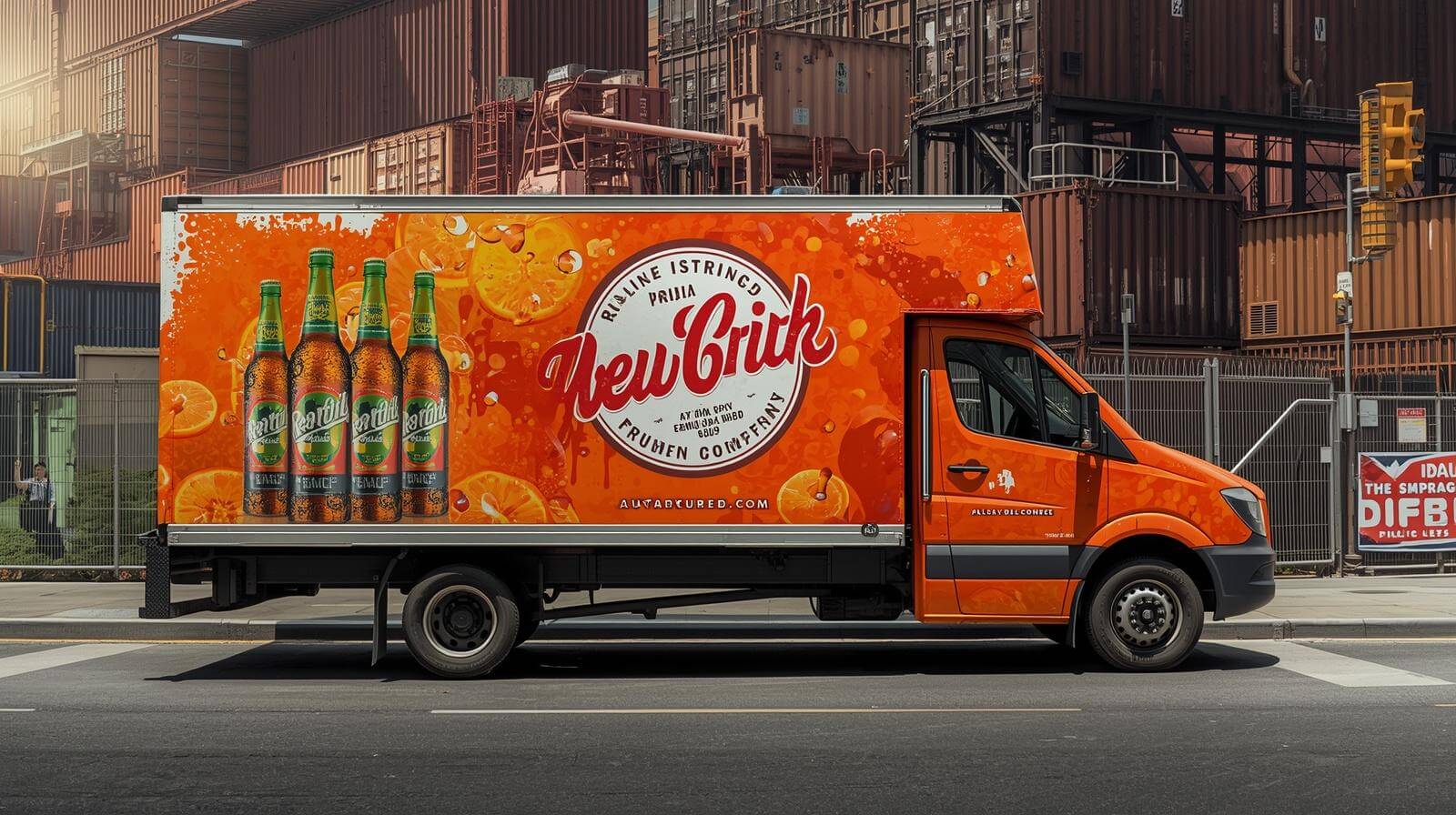
A full wrap provides complete control over the vehicle’s appearance. Every visible surface becomes part of the design, allowing businesses to create a highly customized and consistent presentation.
Benefits of full wraps include:
- Greater visual impact
- Larger logos
- More messaging space
- Stronger brand recognition
- Consistent fleet appearance
Partial wraps can also be highly effective when designed strategically.
Benefits of partial wraps include:
- Lower investment
- Strong visibility
- Professional appearance
- Flexible design options
- Faster implementation
In many cases, the difference in visibility between a well-designed partial wrap and a full wrap is smaller than many business owners initially expect.
Which Industries Commonly Choose Partial Wraps?
Partial wraps are commonly selected by businesses that prioritize efficiency and budget management.
Examples include:
- Plumbing companies
- Electrical contractors
- Landscaping businesses
- HVAC contractors
- Property maintenance companies
- Small service fleets
Many of these businesses rely primarily on vehicle identification and local brand awareness rather than extensive promotional messaging.
A partial wrap often provides all the branding necessary without requiring the larger investment associated with full vehicle coverage.
Which Industries Commonly Choose Full Wraps?
Full wraps are often favored by businesses that rely heavily on vehicle visibility and consistent branding.
Examples include:
- Delivery companies
- Transportation providers
- Franchise operators
- Regional service fleets
- Box truck operators
- Multi-location businesses
These companies frequently view their vehicles as a major component of their overall branding strategy and invest accordingly.
For fleets operating across multiple markets, full wraps can create a more uniform appearance across different vehicle types and locations.
Full Wrap vs Partial Wrap for Fleet Vehicles
Fleet branding introduces additional considerations beyond individual vehicle cost.
Businesses managing multiple vehicles often evaluate:
- Brand consistency
- Vehicle downtime
- Future scalability
- Replacement schedules
- Long-term maintenance
A standardized partial wrap program may offer a cost-effective way to maintain consistent branding across a growing fleet.
A full wrap program may provide greater visual consistency and stronger brand recognition, particularly for businesses operating large numbers of vehicles throughout New York, New Jersey, and the Tri-State area.
The best solution depends on both budget and long-term branding objectives.
Can a Partial Wrap Look Like a Full Wrap?
Yes.
This is one of the reasons partial wraps remain so popular.
Experienced vehicle graphic designers can create layouts that visually extend across the vehicle, using the paint color as part of the design rather than treating it as unused space.
When executed correctly, a partial wrap can create a strong branded appearance while using significantly less vinyl than a full wrap.
The effectiveness of this approach depends heavily on:
- Vehicle color
- Design quality
- Graphic placement
- Brand colors
- Vehicle type
This is often where professional design plays a major role in maximizing return on investment.
Which Option Offers Better Long-Term Value?
There is no universal answer because value depends on the goals of the business.
A partial wrap may provide better value when:
- Budget is limited
- Basic branding is sufficient
- Multiple vehicles need graphics quickly
- Vehicles may be replaced frequently
A full wrap may provide better value when:
- Brand consistency is a priority
- Vehicles are central to marketing efforts
- Strong visual impact is desired
- Long-term fleet branding is planned
Rather than focusing solely on the upfront cost, businesses should evaluate how each option supports their branding objectives over the lifespan of the vehicle.
Choosing Between a Full Wrap and a Partial Wrap
The decision between a full truck wrap and a partial wrap ultimately comes down to balancing budget, branding goals, and vehicle usage. Both options can create a professional appearance and help establish a consistent brand presence on the road, but the right choice depends on how much coverage is needed and how the vehicle fits into your overall marketing strategy.
At Pixel Wraps, we help businesses throughout New York and New Jersey evaluate their vehicles, branding requirements, and budget to determine the most effective solution. Whether you’re wrapping a single service truck, a box truck, or an entire fleet, understanding the differences between partial and full coverage can help ensure you make an investment that supports both your brand and your long-term business goals.