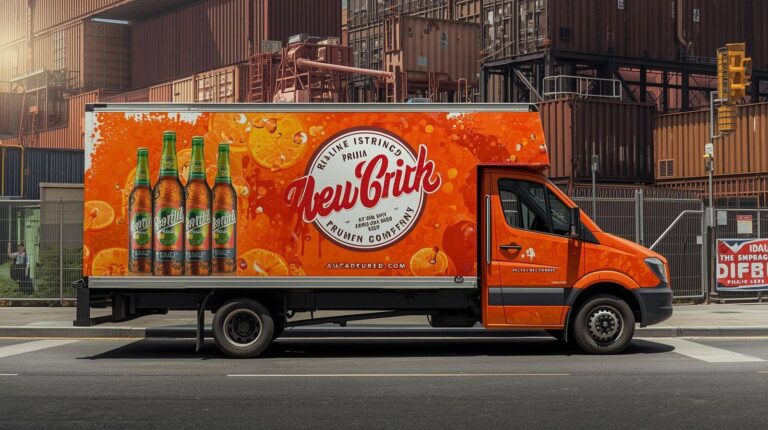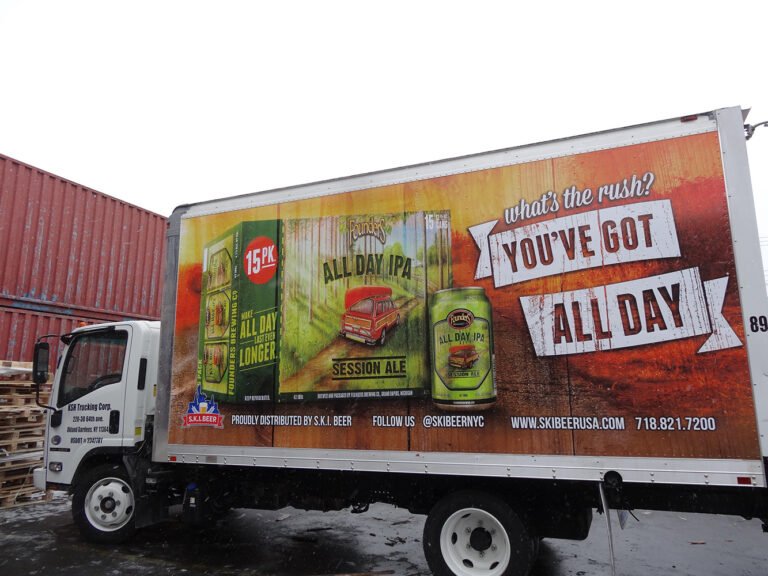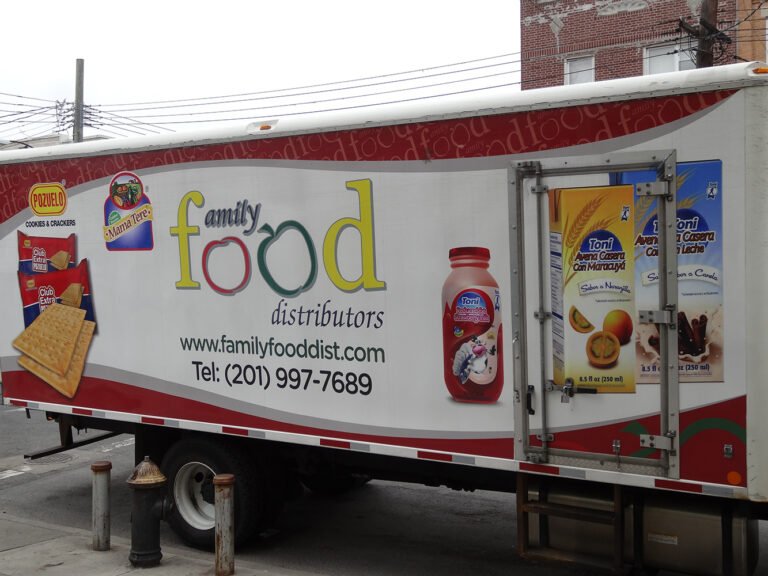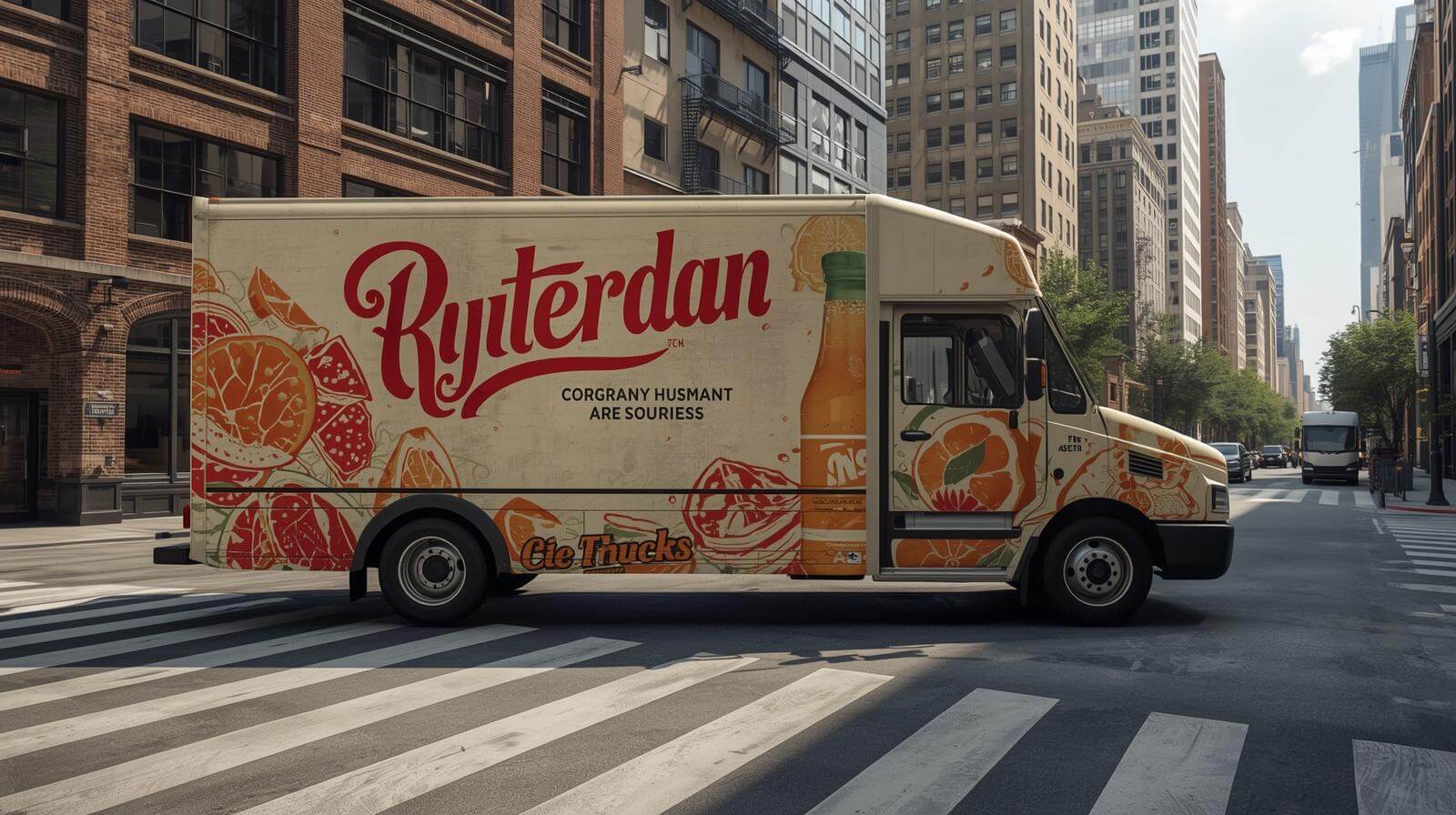
A truck wrap is often one of the largest and most visible branding assets a business owns. Whether it’s a service truck, delivery vehicle, box truck, utility vehicle, or an entire fleet, the information displayed on the wrap plays a major role in how effectively the vehicle communicates with potential customers.
One of the most common mistakes businesses make is treating a truck wrap like a brochure. They attempt to include every service, every phone number, every certification, and every marketing message they can fit onto the vehicle. The result is often a cluttered design that becomes difficult to read, especially when the vehicle is moving through traffic.
The most effective truck wraps are designed around a simple principle: people only have a few seconds to process what they see. Whether someone passes the vehicle on the highway, notices it parked at a job site, or encounters it in a neighborhood, the wrap should communicate the most important information quickly and clearly.
For businesses throughout New York, New Jersey, and Connecticut, where commercial vehicles operate in dense urban environments, busy highways, residential neighborhoods, and commercial districts, clarity is often more valuable than complexity.
The Short Answer
Most commercial truck wraps should include:
- Company name
- Company logo
- Primary service
- Phone number
- Website
- Service area (when relevant)
Everything else should be evaluated carefully.
The goal of a truck wrap is not to tell people everything about your business. The goal is to make the right information impossible to miss.
Start With Your Company Name
The company name is often the most important element on the vehicle.
Many businesses focus heavily on graphics while making their company name too small or difficult to locate. However, if customers cannot identify the business, the wrap loses much of its value.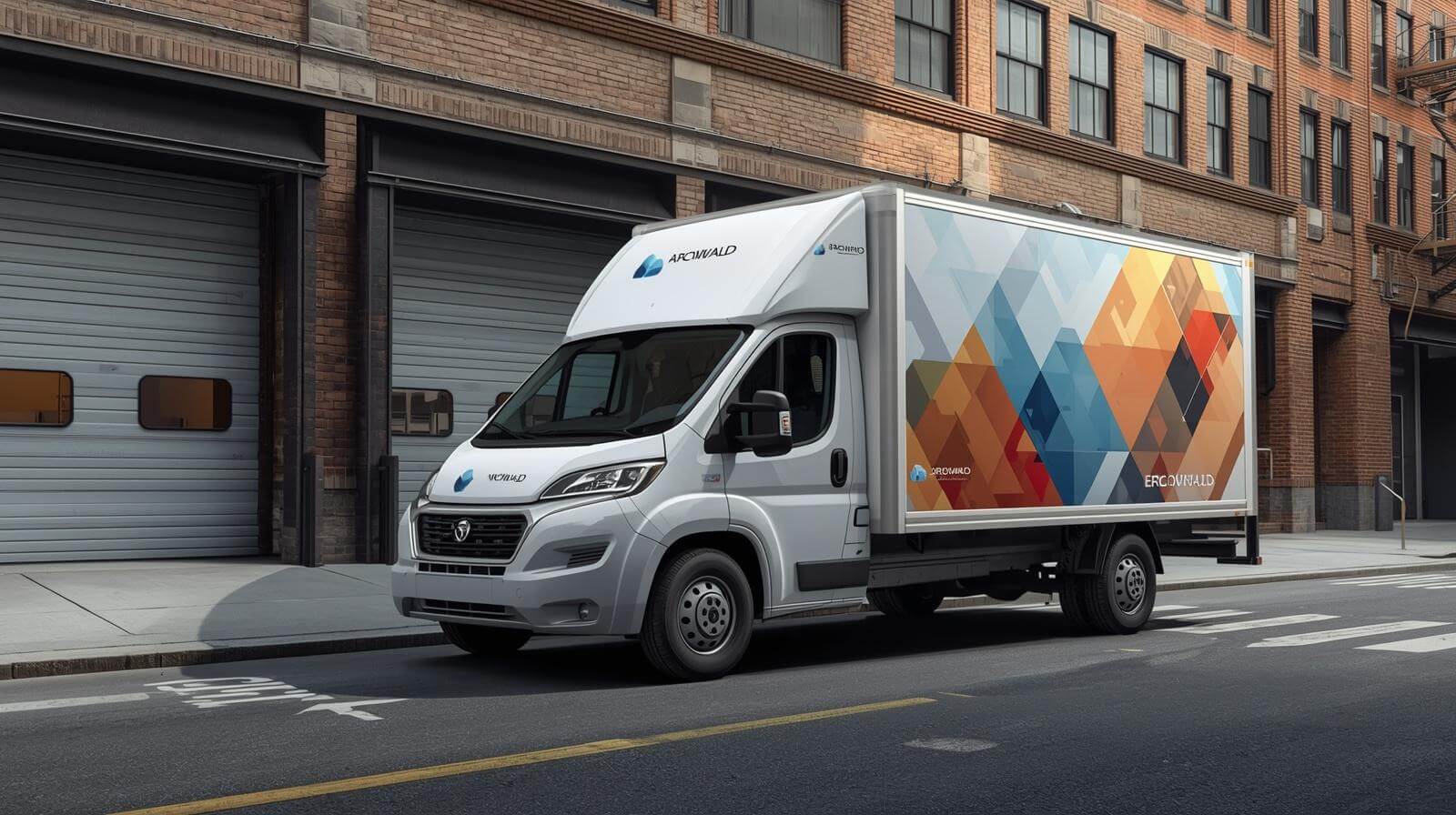
Your company name should be:
- Easy to locate
- Easy to read
- Consistent with other branding
- Visible from multiple angles
For service businesses, recognition often develops over time. A homeowner may see the same truck several times before ever needing the service. When that need arises, remembering the company name becomes far more important than remembering every design element on the vehicle.
Include a Clear Logo
A logo helps reinforce recognition and consistency across all marketing channels.
Your website, social media profiles, business cards, uniforms, signage, and vehicles should all support the same visual identity.
A well-designed logo helps:
- Improve brand recognition
- Create consistency
- Support professionalism
- Strengthen fleet branding
However, a logo should not overpower the information customers actually need.
In many cases, readability is more important than artistic complexity.
Clearly State What Your Business Does
One of the biggest mistakes businesses make is assuming everyone already knows what they do.
A truck wrap should immediately answer the question:
“What service does this company provide?”
For example:
Good:
- Commercial HVAC Services
- Emergency Plumbing
- Roofing Contractor
- Water Damage Restoration
- Electrical Contractor
Less Effective:
- Excellence Since 2005
- Building Relationships
- Quality You Can Trust
While slogans may have value, they rarely communicate what the business actually does.
In most cases, a clear service description is far more valuable than a generic marketing statement.
Include a Phone Number
Even in a digital-first world, phone calls remain one of the primary ways customers contact local service businesses.
Contractors, plumbers, electricians, restoration companies, and HVAC providers often receive a significant percentage of inquiries by phone.
Your phone number should be:
- Large enough to read quickly
- Visible from a reasonable distance
- Positioned prominently on the vehicle
A phone number hidden within a complex design is often a missed opportunity.
Include Your Website
Modern buyers rarely make decisions based on a single interaction.
A homeowner may notice a truck today and search for the company weeks later.
A property manager may see the vehicle repeatedly before deciding to research the business online.
Including a website helps:
- Support credibility
- Encourage research
- Connect offline visibility with online marketing
For many businesses, the website becomes the next step after brand recognition has been established.
Should You Include a QR Code?
QR codes have become increasingly common on commercial vehicles.
However, they are not always necessary.
A QR code may be useful when:
- The vehicle spends significant time parked
- The audience is likely to be nearby
- The destination page provides value
Examples include:
- Portfolio pages
- Quote request forms
- Special promotions
- Product catalogs
However, many vehicles are viewed while moving, making QR code interaction unrealistic.
For this reason, businesses should not rely on QR codes as the primary call to action.
Should You List Every Service?
Usually not.
This is one of the most common truck wrap design mistakes.
Many businesses attempt to include: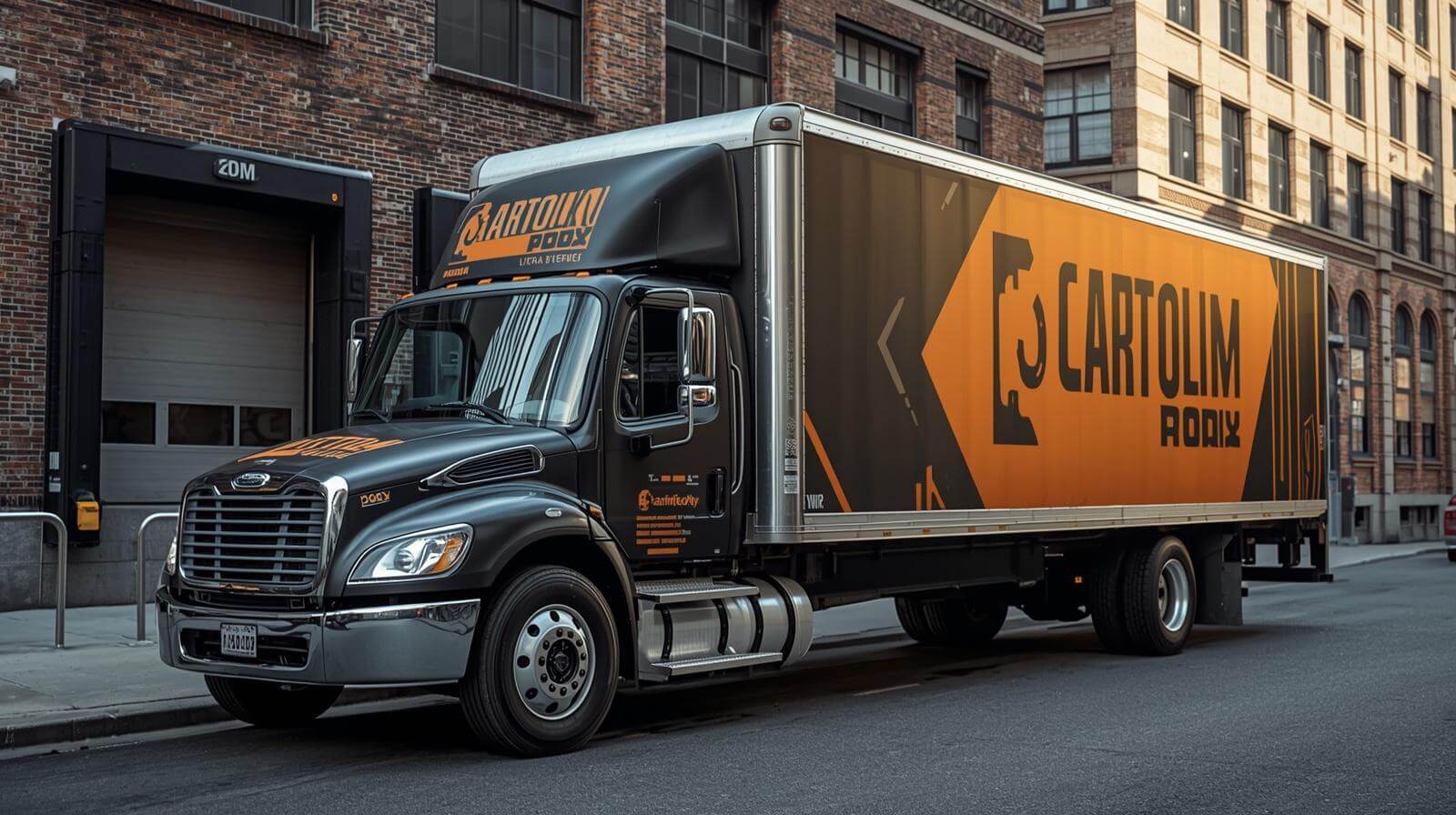
- Plumbing
- Drain Cleaning
- Water Heaters
- Sewer Repairs
- Leak Detection
- Gas Lines
- Camera Inspections
- Commercial Plumbing
- Residential Plumbing
And several more services.
While the intention is understandable, excessive information often reduces readability.
Most viewers will only have a few seconds to process the vehicle.
Instead of listing every service, focus on broader categories.
For example:
Plumbing Services
or
Commercial & Residential Plumbing
This communicates the message more effectively than a lengthy list.
Service Areas and Licensing Information
Depending on the business, including service area information can be helpful.
Examples include:
- Serving New York, New Jersey & Connecticut
- Tri-State Area Service
- NYC Metro Area
- Northern New Jersey
This can help clarify where the company operates.
Certain industries may also require licensing information, registration numbers, or regulatory markings.
Examples may include:
- Contractor license numbers
- DOT numbers
- Fleet identification numbers
- Municipal requirements
These elements should be incorporated without overwhelming the design.
What Should NOT Be Included on a Truck Wrap?
Understanding what to remove is often just as important as understanding what to include.
Excessive Text
Large blocks of text rarely perform well on vehicles.
Long Paragraphs
Most people will never have enough time to read them.
Multiple Phone Numbers
Too many contact options often create confusion.
Every Service Offered
A truck wrap is not a service menu.
Tiny Text
If it cannot be read from a practical distance, it may not belong on the vehicle.
Generic Marketing Claims
Statements such as:
- Best Service
- Number One Company
- Quality Guaranteed
often add little value compared to clear service descriptions and strong branding.
Designing for Drivers, Not Sidewalk Readers
One of the most overlooked concepts in vehicle branding is understanding how people actually see commercial vehicles.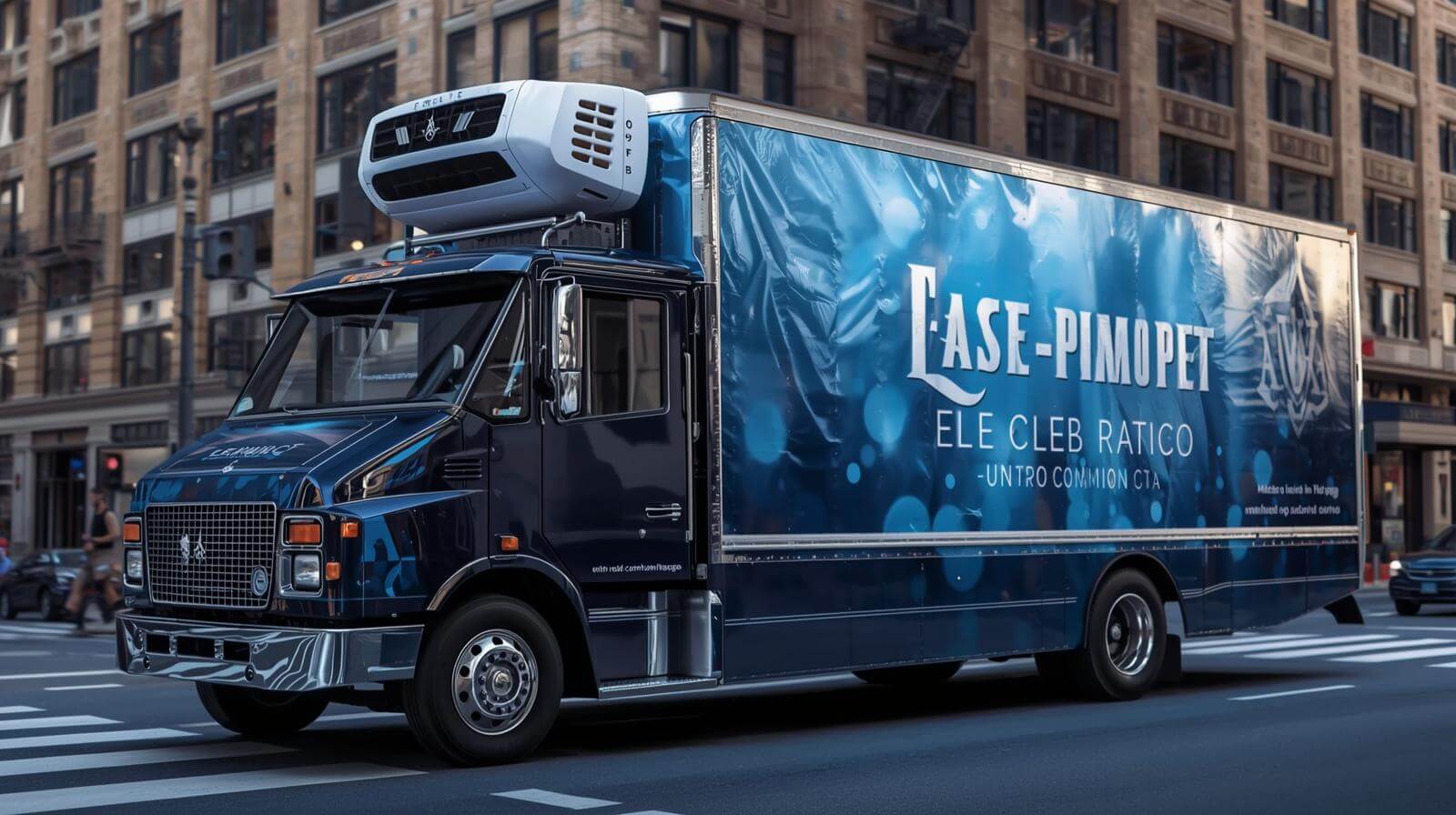
Most viewers encounter trucks:
- Driving on roads
- Waiting at intersections
- Parked near job sites
- Moving through traffic
- Traveling on highways
They are not standing next to the vehicle reading every detail.
Research in advertising and visual communication consistently shows that simpler messages are easier to process and remember. This is why effective outdoor advertising often focuses on a limited number of key messages rather than excessive information.
Truck wraps should follow the same principle.
A design that communicates clearly within a few seconds is usually more effective than a design that attempts to communicate everything.
Box Trucks vs Service Trucks
Different vehicle types create different branding opportunities.
Service Trucks
Service trucks often provide limited space and require concise messaging.
The focus should remain on:
- Company name
- Service
- Phone number
- Website
Cargo Vans
Cargo vans typically provide larger uninterrupted panels, allowing slightly more flexibility.
Box Trucks
Box trucks offer some of the largest advertising surfaces available on commercial vehicles.
Because of their size, businesses often have additional room for:
- Larger branding
- Stronger visual elements
- Expanded messaging
However, larger space should not automatically mean more information.
Fleet Vehicles
Fleet vehicles benefit most from consistency.
Every vehicle should reinforce the same visual identity regardless of vehicle type.
Why Consistency Matters Across a Fleet
For businesses operating multiple vehicles, consistency often becomes more important than individual design creativity.
A standardized fleet graphics program helps:
- Improve recognition
- Strengthen branding
- Support professionalism
- Simplify future vehicle additions
We often see businesses gain the greatest long-term value when every vehicle follows the same branding standards.
A fleet of ten consistently branded vehicles generally creates stronger recognition than ten vehicles using different layouts and messaging.
Truck Wrap Design for Businesses in New York, New Jersey, and Connecticut
The Tri-State region presents unique challenges and opportunities for vehicle branding.
Commercial vehicles frequently operate throughout:
- New York City
- Long Island
- Northern New Jersey
- Central New Jersey
- Connecticut
Heavy traffic, dense populations, urban environments, and large service territories mean businesses often receive thousands of visual impressions from their vehicles every week.
Because viewers often encounter vehicles briefly, clear communication becomes even more important.
The businesses that benefit most from vehicle branding are usually those that focus on readability, recognition, and consistency rather than complexity.
The Best Truck Wraps Are Often the Simplest
The most effective truck wraps are rarely the ones with the most information.
They are the ones that communicate the right information quickly.
A successful commercial truck wrap should allow someone to answer a few basic questions within seconds:
- Who is this company?
- What do they do?
- How can I contact them?
If those questions can be answered quickly and clearly, the wrap is already accomplishing its primary objective.
At Pixel Wraps, we help businesses throughout New York, New Jersey, and Connecticut develop vehicle graphics that prioritize branding, readability, and long-term effectiveness. Whether you’re wrapping a single service truck, a box truck, or an entire fleet, the goal remains the same: create a vehicle that works as a professional business asset every time it hits the road.