One of the first questions businesses ask before scheduling a truck wrap is how long the process will take. Whether you’re branding a pickup truck, service vehicle, cargo van, box truck, or an entire fleet, understanding the timeline helps minimize downtime and plan operations more effectively.
The challenge is that there is no universal answer. A truck wrap project is influenced by far more than installation alone. Design development, artwork approvals, production scheduling, material availability, existing graphics removal, vehicle preparation, installation complexity, and current shop workload can all affect the overall timeline.
For some businesses, a truck can move from approved artwork to installation within a few days. For others, particularly fleet projects or large-format wraps, the process may take several weeks from initial consultation to final installation.
Understanding the complete process helps businesses set realistic expectations and schedule vehicle downtime more effectively.
The Short Answer
Most commercial truck wrap projects are completed within 3 to 7 business days after final artwork approval. However, the total timeline can vary depending on vehicle type, graphic coverage, production schedules, existing graphics removal, material availability, and fleet requirements.
For businesses with approved artwork and flexible scheduling, some projects can move faster. Larger fleet projects, complex installations, or vehicles requiring additional preparation may require additional time.
The most important distinction is that installation time and project timeline are not always the same thing. A truck may only spend a day or two in the installation bay while the overall project includes design, production, scheduling, and preparation before installation begins.
Typical Timelines by Project Type
The following ranges should be viewed as planning guidelines rather than guaranteed turnaround times.
| Project Type | Typical Timeline After Artwork Approval |
| Lettering & Spot Graphics | 2–5 Business Days |
| Partial Truck Wrap | 3–7 Business Days |
| Full Pickup Truck Wrap | 3–7 Business Days |
| Service Body Truck Wrap | 4–8 Business Days |
| Cargo Van Wrap | 3–7 Business Days |
| Sprinter Van Wrap | 4–8 Business Days |
| Box Truck Wrap | 5–10 Business Days |
| Fleet Graphics Projects | Varies by Quantity & Scheduling |
Current production schedules, vehicle condition, design revisions, material availability, and fleet requirements can all influence final timelines.
Understanding the Complete Truck Wrap Timeline
A commercial wrap project typically moves through several stages before installation begins.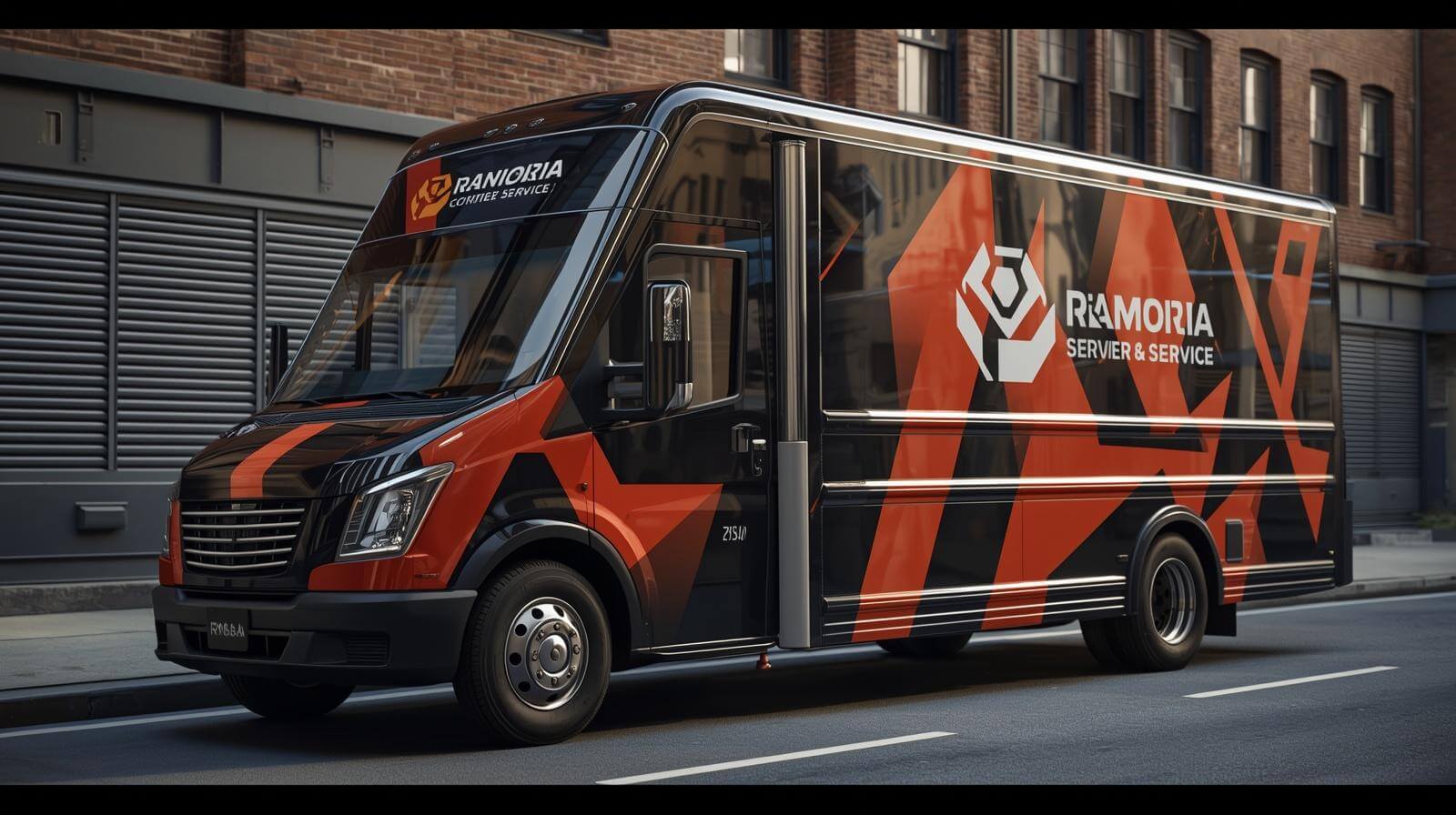
Consultation and Vehicle Evaluation
Most projects begin with:
- Vehicle photos
- Vehicle measurements
- Coverage discussions
- Branding goals
- Scheduling requirements
The more information provided upfront, the faster a project can generally move through the planning phase.
Design Development
Design timelines vary significantly.
Projects with existing artwork and established branding standards often move much faster than businesses creating graphics from scratch.
Factors that commonly affect design schedules include:
- Existing branding
- Design revisions
- Stakeholder approvals
- Fleet standardization requirements
For many projects, design approval becomes one of the longest stages of the entire process.
Print Production and Lamination
Once artwork is approved, production begins.
Commercial vehicle graphics typically require:
- Printing
- Outgassing or drying time
- Lamination
- Panel preparation
- Quality control
Production schedules vary depending on project size and current shop workload.
Installation Scheduling
Before installation begins, the project must be scheduled within available production and installation capacity.
This is one of the most overlooked factors when businesses estimate timelines.
A truck may require only one day of installation, but if the production schedule is booked several weeks in advance, the overall project timeline will be longer.
Installation Time vs Project Timeline
One of the biggest misconceptions about truck wraps is that installation time and project timeline are the same thing.
In reality, a commercial wrap project often includes:
- Design development
- Artwork approvals
- Print production
- Lamination
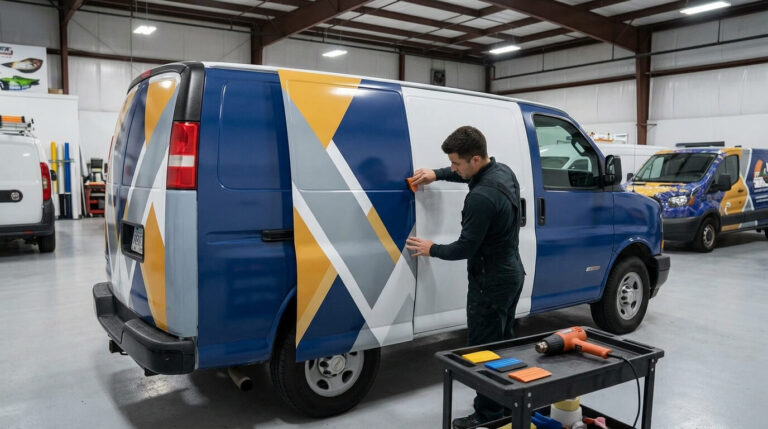
- Vehicle preparation
- Installation scheduling
- Installation
- Final inspection
A truck may only spend one or two days in the installation bay, but the overall project may take longer depending on production schedules and project requirements.
For this reason, businesses should focus on total project planning rather than installation time alone.
Coverage Level Has a Major Impact on Timeline
One of the largest factors affecting both production and installation schedules is graphic coverage.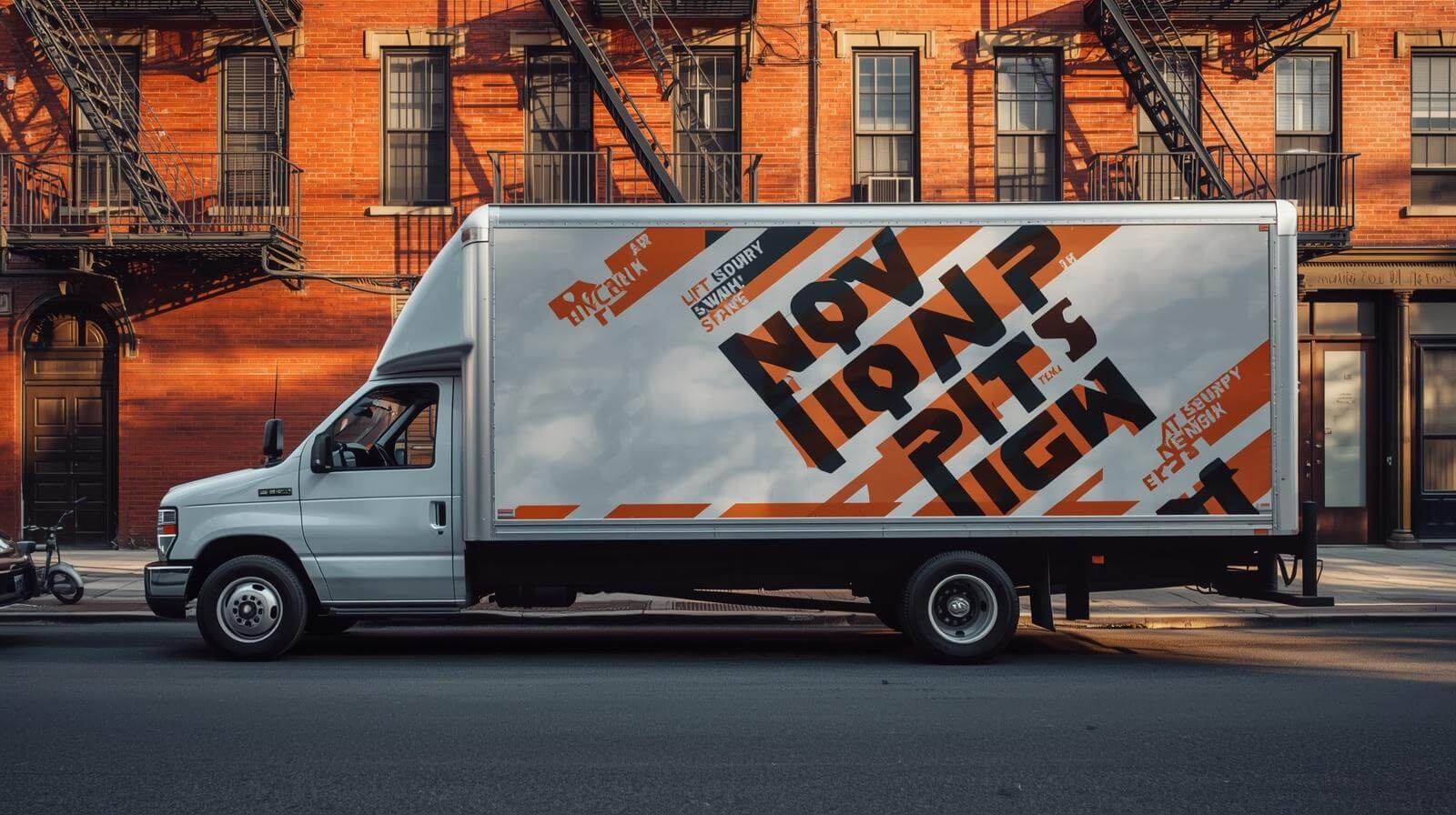
Lettering and Spot Graphics
These projects typically involve the least amount of material and installation labor.
Because there is less production and alignment work involved, they are often completed more quickly than larger graphics packages.
Partial Wraps
Partial wraps generally require additional design development, print production, panel alignment, and installation planning compared to basic lettering packages.
Many contractors and service companies choose partial wraps because they balance branding impact with project cost and installation time.
Full Truck Wraps
Full wraps require the greatest amount of material, production time, and installation labor.
Nearly every visible painted surface receives graphics, which increases both preparation and installation requirements.
A full wrap and a partial wrap on the same truck can have dramatically different timelines despite being installed on the same vehicle.
Vehicle Type and Complexity Matter
Vehicle size is important, but complexity often matters more than square footage.
Pickup Trucks
Pickup trucks are generally among the most straightforward commercial vehicles to wrap.
Cargo Vans
Cargo vans typically offer large uninterrupted surfaces that simplify installation.
Sprinter Vans
Sprinter vans provide more branding space but also introduce additional height and larger panels that can affect installation planning.
Service Body Trucks
Service body trucks often include compartment doors, utility hardware, and specialized equipment that require additional labor and precision during installation.
Utility Trucks
Lift systems, storage compartments, ladder racks, and body modifications frequently increase installation complexity.
Box Trucks
Box trucks offer some of the largest branding surfaces available on commercial vehicles but often require more production, material, and installation time than smaller vehicles.
Why Box Trucks Usually Take Longer
Box trucks are among the most complex commercial vehicles from a production perspective.
Factors that commonly affect scheduling include:
- Vehicle size
- Box length
- Vehicle height
- Riveted panels
- Rear doors
- Lift gates
- Existing graphics
A 16-foot box truck and a 26-foot box truck may both be classified as box trucks, yet require significantly different production schedules.
This is one reason why accurate vehicle information is important during the quoting process.
Existing Graphics Removal Can Add Significant Time
One of the most commonly overlooked parts of a vehicle graphics project is removal.
Businesses often focus on installation while forgetting that old graphics may need to be removed first.
Removal may involve:
- Vinyl graphics
- Lettering
- Adhesive residue
- Ghosting
- Surface correction
In some situations, removing old graphics can require as much labor as the installation itself.
Vehicle age, graphic age, environmental exposure, and adhesive condition all affect removal difficulty.
New Trucks vs Used Trucks
The condition of the vehicle can significantly affect project timelines.
New vehicles often require:
- Minimal preparation
- No graphic removal
- Less cleanup
Used vehicles may require:
- Decal removal
- Adhesive cleanup
- Surface preparation
- Paint evaluation
We frequently see used vehicles require additional preparation before installation can begin.
For this reason, vehicle condition often matters more than vehicle age.
Shop Scheduling Matters More Than Most Businesses Realize
A wrap shop’s current production schedule is often one of the biggest factors affecting turnaround times.
During busy periods, commercial graphics providers may be managing:
- Fleet rollouts
- Box truck projects
- Large-format printing jobs
- Vehicle wrap installations
- Multi-location branding programs
As a result, two identical truck wrap projects submitted at different times of the year may have different completion timelines.
Businesses with event deadlines, vehicle launches, fleet expansions, or marketing campaigns should begin planning as early as possible.
How Long Do Fleet Wrap Projects Take?
Fleet projects operate differently than single-vehicle installations.
Factors may include:
- Vehicle quantity
- Fleet size
- Vehicle availability
- Scheduling requirements
- Installation sequencing
Many businesses cannot remove an entire fleet from service simultaneously.
As a result, fleet projects are often completed in phases.
We regularly work with businesses that schedule vehicles over multiple days or weeks in order to maintain operations while a fleet graphics program is being deployed.
What Can Delay a Truck Wrap Project?
Several factors can extend project timelines.
Common examples include:
- Design Revisions
- Delayed Approvals
- Existing Graphic Removal
- Paint Issues
- Fleet Scheduling Conflicts
- Vehicle Availability
- Material Availability
- Production Backlogs
Understanding these factors early can help businesses plan more effectively and avoid unnecessary delays.
How Long Will My Truck Be Out of Service?
This is often the question business owners really want answered.
For many commercial wrap projects, vehicle downtime is shorter than the total project timeline because design, production, and scheduling are completed before the truck arrives for installation.
Actual downtime depends on:
- Coverage level
- Vehicle type
- Existing graphics
- Removal requirements
- Vehicle condition
- Installation complexity
A lettering package may require minimal downtime, while a full wrap on a service body truck or box truck may require additional installation time.
The most accurate timeline is always based on the specific vehicle, graphics package, and project requirements.
Planning Ahead Reduces Downtime
The fastest projects are usually the best-planned projects.
Businesses can help reduce delays by providing:
- Vehicle photos
- Vehicle specifications
- Existing branding assets
- Desired coverage levels
- Project deadlines
- Fleet schedules
Good planning often has a greater impact on project timelines than installation speed alone.
Get Advice on Your Truck Wrap Timeline
Every truck wrap project is different. Vehicle type, coverage level, production requirements, existing graphics, and scheduling considerations all influence the timeline.
At Pixel Wraps, we help businesses throughout New York, New Jersey, and Connecticut plan vehicle graphics projects around their operational needs. Whether you’re wrapping a single service truck, a box truck, or an entire fleet, understanding the complete process helps minimize downtime and create a more predictable installation schedule.