Choosing between 3M and Avery Dennison is not as simple as choosing the “best” vinyl brand.
Both manufacturers offer professional-grade wrap films used on commercial vehicles throughout the country. Both also produce multiple product lines with different adhesives, performance characteristics, approved laminates, and intended applications.
The better question is:
Which film system is best suited to your vehicles, design, operating conditions, and expected service life?
At Pixel Wraps, we work with professional materials from 3M, Avery Dennison, and other established manufacturers. Our recommendations are based on the actual application—not brand loyalty.
This guide compares common 3M and Avery Dennison printable wrap systems for commercial vehicles and explains what fleet owners should consider before selecting one.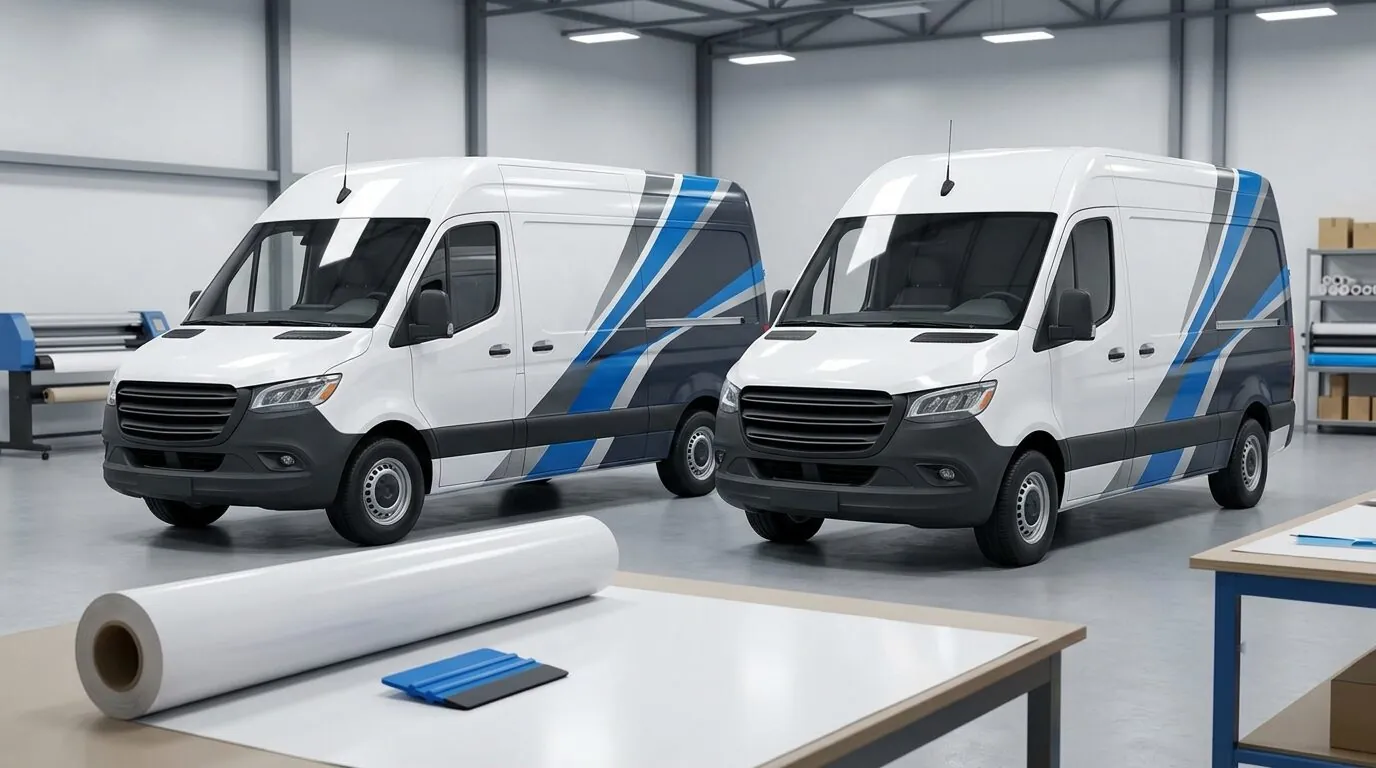
First, Make Sure You Are Comparing the Same Type of Vinyl
“3M vinyl” and “Avery vinyl” are broad descriptions. Each company manufactures films for many different purposes, including:
- Printable commercial vehicle graphics
- Solid-color vehicle wraps
- Reflective graphics
- Cut lettering and decals
- Short-term promotional graphics
- Flat signs and displays
- Specialty surfaces
- High-tack applications
A comparison is only useful when the products belong to the same category.
For example, comparing a premium cast printable film from one manufacturer with an economy calendared film from another would produce a misleading result. The products may differ in price and performance because they were engineered for different applications—not because one manufacturer is inherently better.
For commercial fleet wraps, two commonly discussed product families include:
- 3M Print Wrap Film IJ280 or 3M Controltac Graphic Film IJ180mC
- Avery Dennison MPI 1105 Easy Apply RS
These are printable films intended for professional graphics production. They should not be confused with solid-color change films used primarily to alter a personal vehicle’s factory color.
The Wrap Is a Complete System, Not Just a Sheet of Vinyl
The face film is only one part of a successful vehicle wrap.
A commercial wrap system can include:
- Printable vinyl
- Compatible ink
- Printer and color profile
- Protective overlaminate
- Adhesive technology
- Surface preparation products
- Production and curing procedures
- Professional installation
- Cleaning and maintenance practices
If one part of that system is incompatible or poorly handled, the finished wrap can underperform even when the base vinyl came from a respected manufacturer.
This is why we evaluate the complete production process at Pixel Wraps. We consider the vehicle’s surface, body shape, graphic coverage, expected service period, operating environment, print requirements, and future replacement needs before recommending a film.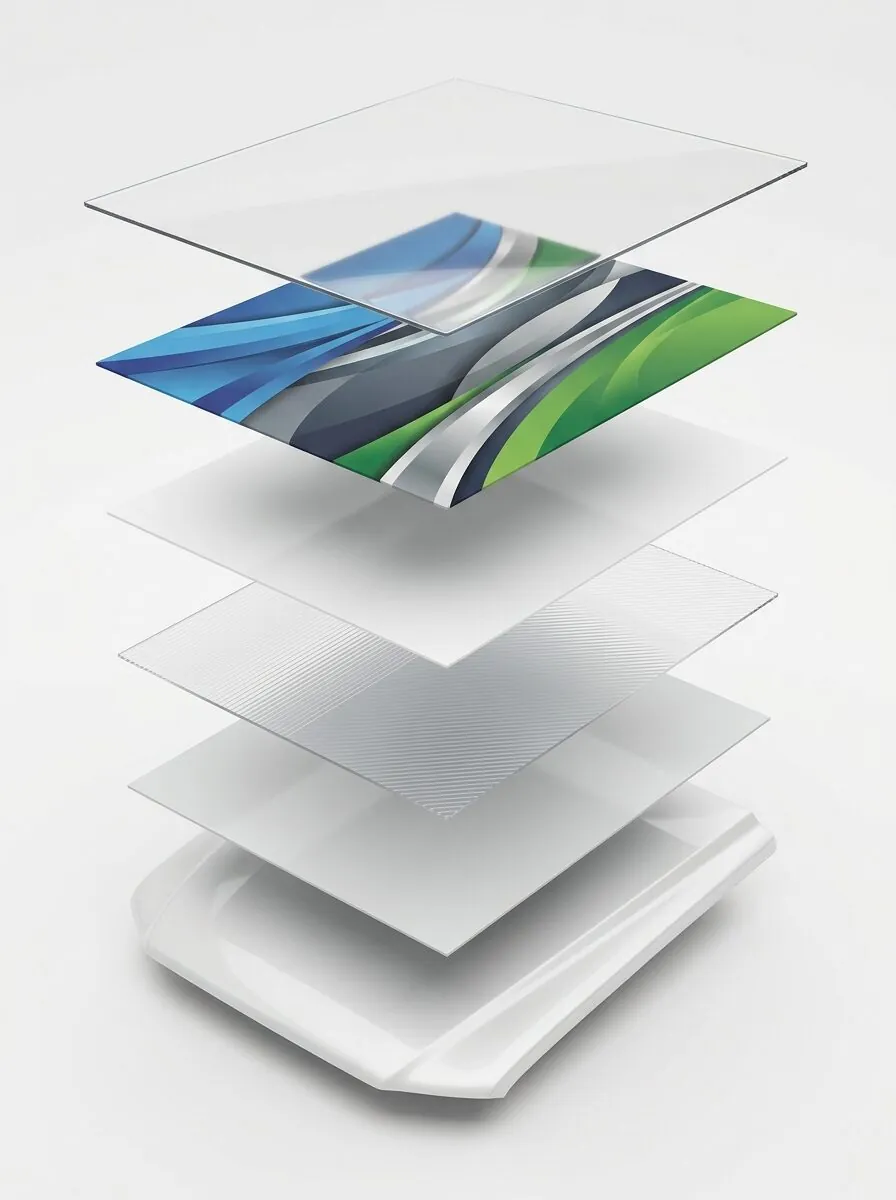
3M Printable Vehicle-Wrap Films
Two widely recognized 3M options for commercial vehicle graphics are IJ280 and IJ180mC.
3M Print Wrap Film IJ280
IJ280 is a 2-mil cast printable wrap film designed for vehicle graphics and other demanding applications. According to 3M’s current product information, the film uses a pressure-activated adhesive that allows sliding, repositioning, and snap-up during installation. It also incorporates 3M Comply v4 air-release technology.
Those features are intended to help trained installers position large panels, release trapped air, and conform the material around vehicle contours.
3M recommends using IJ280 with an approved protective overlaminate, such as 3M Gloss Wrap Overlaminate 8428G, when building the appropriate matched system.
Learn more from the 3M IJ280 product bulletin and the 3M IJ280 wrap-film system page.
3M Controltac Graphic Film IJ180mC
IJ180 has been used extensively for vehicle and fleet graphics. The current IJ180mC family is a cast printable film designed for applications including full wraps, fleet graphics, and other long-term graphics.
Its adhesive system is designed to support sliding and repositioning before final pressure is applied. As with other professional wrap films, the correct product variant and compatible laminate must be selected for the application.
See the manufacturer’s information on the 3M IJ180mC product page.
Avery Dennison MPI 1105 Easy Apply RS
Avery Dennison MPI 1105 Easy Apply RS is a premium cast printable film commonly used for full and partial fleet wraps. Avery Dennison presents it as an option for demanding vehicle applications, including vehicles with compound curves and complex surfaces.
Its Easy Apply RS adhesive technology is designed to support air release, repositionability, and slideability during installation. Avery Dennison also recommends pairing the film with a compatible premium cast overlaminate.
Avery’s fleet-graphics resources emphasize material consistency, print performance, conformability, and the use of matched films and laminates.
More information is available on Avery Dennison’s commercial fleet vehicle graphics page.
How Do 3M and Avery Dennison Compare During Installation?
Experienced installers often develop preferences based on how a particular adhesive feels during positioning, squeegeeing, stretching, and finishing.
That preference does not establish a universal winner.
Several installation characteristics matter:
Initial Tack
Initial tack describes how strongly the material grabs the surface when it first makes contact.
A lower or more controlled initial tack can make large panels easier to position. A stronger initial grab may be useful in some situations, but it can also require a different installation technique.
The exact behavior depends on the specific film—not merely the manufacturer’s name.
Slideability and Repositionability
Both 3M and Avery Dennison offer professional films designed to be moved and repositioned before final pressure is applied.
The installer may notice differences in how easily each product slides across the surface or releases after partial contact. Temperature, vehicle finish, panel size, and installation environment can also change how the adhesive behaves.
Air Release
Air-egress channels help installers move trapped air toward the edge of the panel. This can reduce bubbles, but the channels do not replace correct squeegee technique or proper surface preparation.
Conformability
Commercial vans frequently contain:
- Deep channels
- Compound curves
- Door handles
- Body seams
- Rivets
- Recessed panels
- Plastic trim
- Contoured bumpers
A premium cast film may be suitable for many of these areas, but installers must still respect the film’s limits. Overstretching, excessive heat, incorrect post-heating, or bridging deep recesses can lead to lifting or distortion regardless of brand.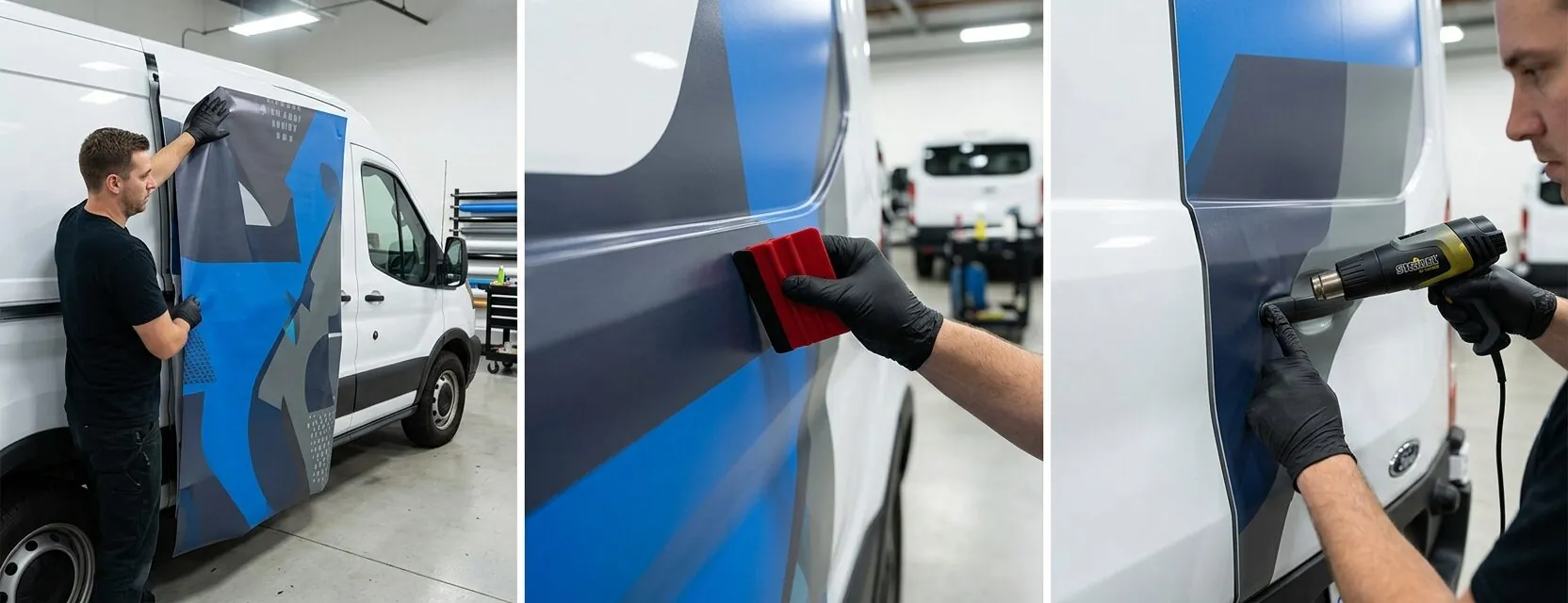
Print Quality and Color Consistency
A film cannot create strong fleet branding by itself. Print quality depends on the relationship between the media, ink, printer, color profile, production settings, and laminate.
Both manufacturers offer films built for professional printing. However, consistent fleet color requires controlled production.
At Pixel Wraps, that means paying attention to:
- Approved or appropriate printer profiles
- Ink density and curing
- Production-panel alignment
- Lamination timing
- Material lot tracking when necessary
- Existing fleet graphics that must be matched
- Lighting conditions used to evaluate color
- Reprints and future vehicle additions
For fleets, repeatability can matter more than a minor difference noticed during a single installation. A company may add another van six months later or need one damaged door panel reprinted. Maintaining production records helps us reproduce the graphics more consistently.
Exact matching can still be affected by material batches, printer changes, fading on older graphics, and differences in vehicle paint.
Laminates Should Be Selected as Part of the System
The overlaminate protects the printed surface and influences the wrap’s finish, conformability, and long-term appearance.
Possible finishes include:
- Gloss
- Matte
- Satin or luster, depending on the product line
- Specialty finishes for limited applications
Using a random laminate simply because it fits over the printed film is not a sound specification method.
Manufacturers test particular combinations of films, inks, printers, and overlaminates. When warranty eligibility matters, the complete approved system must be reviewed before production.
For that reason, we generally specify the print film and laminate together rather than treating the laminate as an afterthought.
What About Warranty Coverage?
Both manufacturers offer warranty programs, but a manufacturer warranty is not a blanket promise that every wrap will last for the maximum published period.
Coverage can depend on:
- Exact film and overlaminate combination
- Ink and printer platform
- Geographic exposure
- Vertical, horizontal, or nonvertical installation
- Vehicle type
- Surface condition
- Production procedures
- Installation methods
- Maintenance
- Required documentation
3M explains that its MCS Warranty is based on approved combinations of 3M graphic materials, inks, printers, and application conditions. Its warranty resources should be reviewed for the specific system being proposed, rather than assuming that one 3M component qualifies the entire project.
See 3M Graphics warranty resources and the 3M Graphics Warranties brochure.
Avery Dennison’s vehicle-wrap guidelines similarly call for inspection, application records, and material identification. The company’s documentation also addresses installation conditions and other factors that can affect the finished application.
See the Avery Dennison Vehicle Wrap Guidelines.
The current product bulletin and applicable warranty terms should always control. Marketing summaries are not a substitute for the manufacturer’s complete documentation.
Can Either Brand Guarantee Safe Removal?
No responsible wrap provider should promise that vinyl will come off every vehicle without any risk to the paint.
Professional removable films are engineered with future removal in mind, but the condition and history of the vehicle matter.
Possible problems include:
- Failing clear coat
- Previous collision repairs
- Repainted panels
- Poor paint adhesion
- Rust or corrosion
- Existing scratches or chips
- Body filler beneath the paint
- Vinyl left beyond its recommended service period
- Unknown chemicals or ceramic treatments on the surface
Paint can appear stable before installation but fail when an adhered graphic is eventually removed.
We inspect and document vehicle condition before installation whenever practical. Customers should disclose repainting, bodywork, or previous wrap problems before production begins.
Neither a 3M nor an Avery Dennison label can correct an unstable paint system.
Which Film Is Better for Different Fleet Applications?
The answer depends on the job.
| Fleet situation | What matters most | Material-selection approach |
| Full wrap on a contoured cargo van | Conformability, recess handling, compatible laminate, trained installation | Evaluate an appropriate premium cast system from either manufacturer |
| Graphics on a flat box truck | Surface type, panel condition, rivets, expected life, removability | A premium cast film may work, but the specification should reflect the flatter surface and operating conditions |
| Mixed fleet with vans, pickups, and trucks | Consistent color, multiple surface types, future replacements | Select a system that can serve most vehicles while documenting exceptions |
| Replacement door or collision-repaired panel | Color matching, age of existing wrap, paint condition, production records | Review the existing material and account for fading before reprinting |
| Vehicle with deep channels or complex contours | Stretch limits, adhesive behavior, post-heating, installer experience | Test or select the film based on the most demanding areas |
| Short promotional campaign | Clean removal, campaign duration, paint condition, total cost | Specify a purpose-built short-term system instead of assuming a long-term cast wrap is necessary |
3M IJ280, 3M IJ180mC, and Avery Dennison MPI 1105 are generally discussed as professional, longer-term commercial wrap options. A temporary campaign may call for a different product category altogether.
We will cover short-term and long-term vehicle-graphic materials separately because the lowest-cost option and the longest-lasting option are not automatically the right choices for every campaign.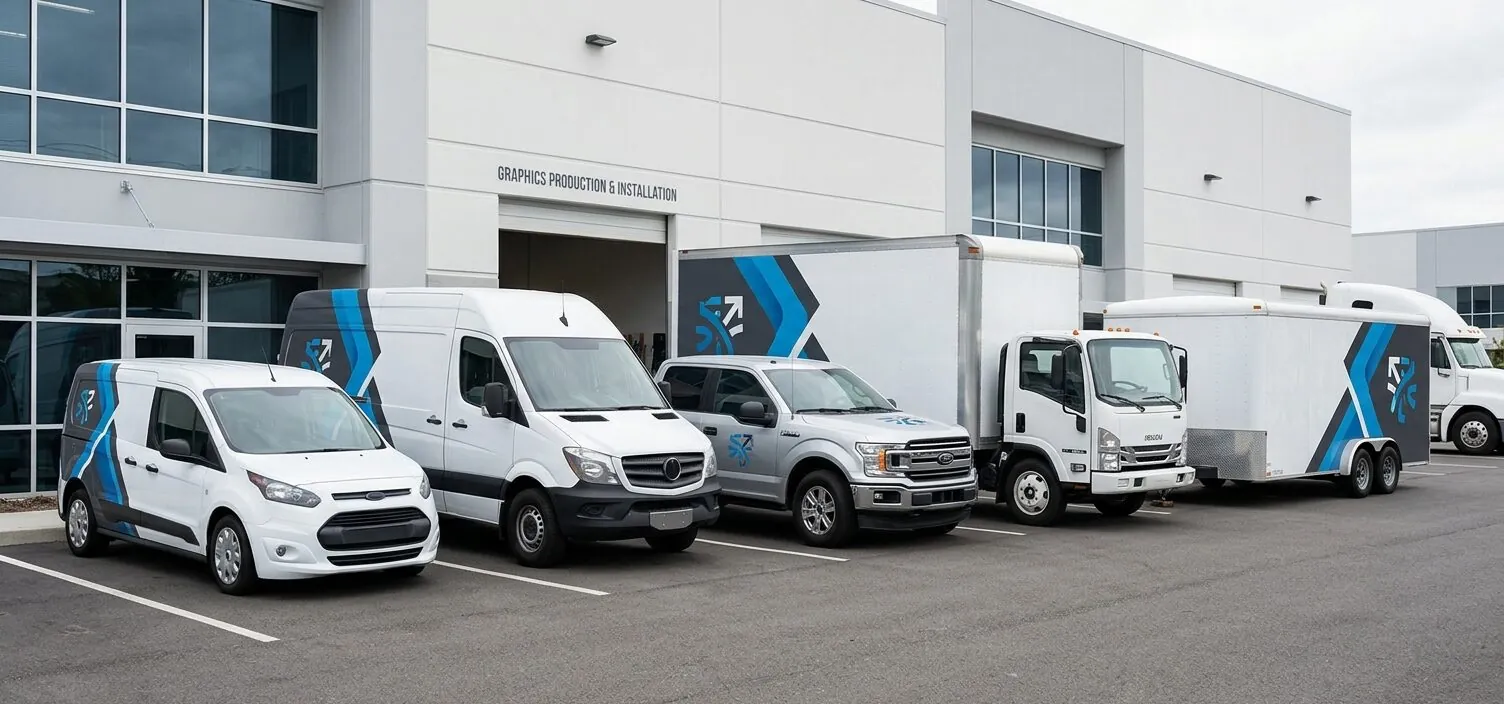
When Might We Recommend 3M?
We may recommend a suitable 3M system when:
- The project specification already calls for 3M components
- An existing fleet was produced with a documented 3M system
- The vehicle geometry suits a particular 3M product
- The selected film and laminate combination fits the required performance
- The customer’s procurement or warranty requirements favor an approved 3M system
- Our production and installation testing supports that choice
Pixel Wraps also has experience working with 3M professional graphic materials and trained installation practices. That experience helps us specify and install the product correctly, but it does not mean every vehicle must use the same film.
When Might We Recommend Avery Dennison?
We may recommend a suitable Avery Dennison system when:
- An existing fleet uses a documented Avery Dennison system
- MPI 1105 or another Avery product fits the vehicle’s contours and coverage
- The installer and production team determine that its handling characteristics suit the project
- A compatible Avery laminate provides the required finish
- Product availability and future fleet consistency support the selection
- The applicable warranty system meets the project requirements
The final decision still depends on the exact film, laminate, ink, printer, vehicle, environment, and installation—not only the manufacturer.
Questions Pixel Wraps Asks Before Selecting a Film
Before recommending a vehicle-wrap system, we want to understand:
What vehicles are being wrapped?
A Transit van, Sprinter-style van, pickup truck, box truck, and trailer do not present the same installation surfaces.
Is this a full wrap or a partial wrap?
Coverage affects the amount of conforming, edge placement, panel planning, removal, and cost.
How long should the graphics remain in service?
A long-term service vehicle and a six-month promotional campaign may require different materials.
Where will the vehicles operate and park?
Sun exposure, heat, winter weather, road salt, tree residue, industrial contamination, and parking conditions all affect real-world performance.
Has any part of the vehicle been repainted?
Repainted panels require additional caution. We need to know about collision work and refinishing before installation.
Will additional vehicles be added later?
Future fleet expansion can influence product selection, record keeping, and color-management planning.
What finish does the brand require?
Gloss, matte, and other finishes change the visual result and may require different laminate specifications.
What does the manufacturer currently approve?
Product names and warranty programs can change. We confirm the current technical documentation when specifying the job.
3M vs. Avery Dennison: Our Conclusion
There is no honest universal answer that makes either 3M or Avery Dennison the best choice for every vehicle wrap.
Both manufacturers offer credible professional systems. The more important factors are:
- Selecting the correct product category
- Matching the film to the vehicle surface and geometry
- Using a compatible laminate and print process
- Inspecting and preparing the vehicle properly
- Following the manufacturer’s installation requirements
- Using experienced installers
- Maintaining the wrap correctly
- Documenting the materials for future repairs and fleet additions
A well-specified and professionally installed system from either manufacturer can be a strong choice. A poorly selected or incorrectly installed product can fail regardless of the brand printed on the box.
At Pixel Wraps, we help commercial fleets across New Jersey, New York, Pennsylvania, and the surrounding region choose materials based on the actual job. Our in-house team manages design, printing, lamination, and installation so the entire system is considered from the beginning.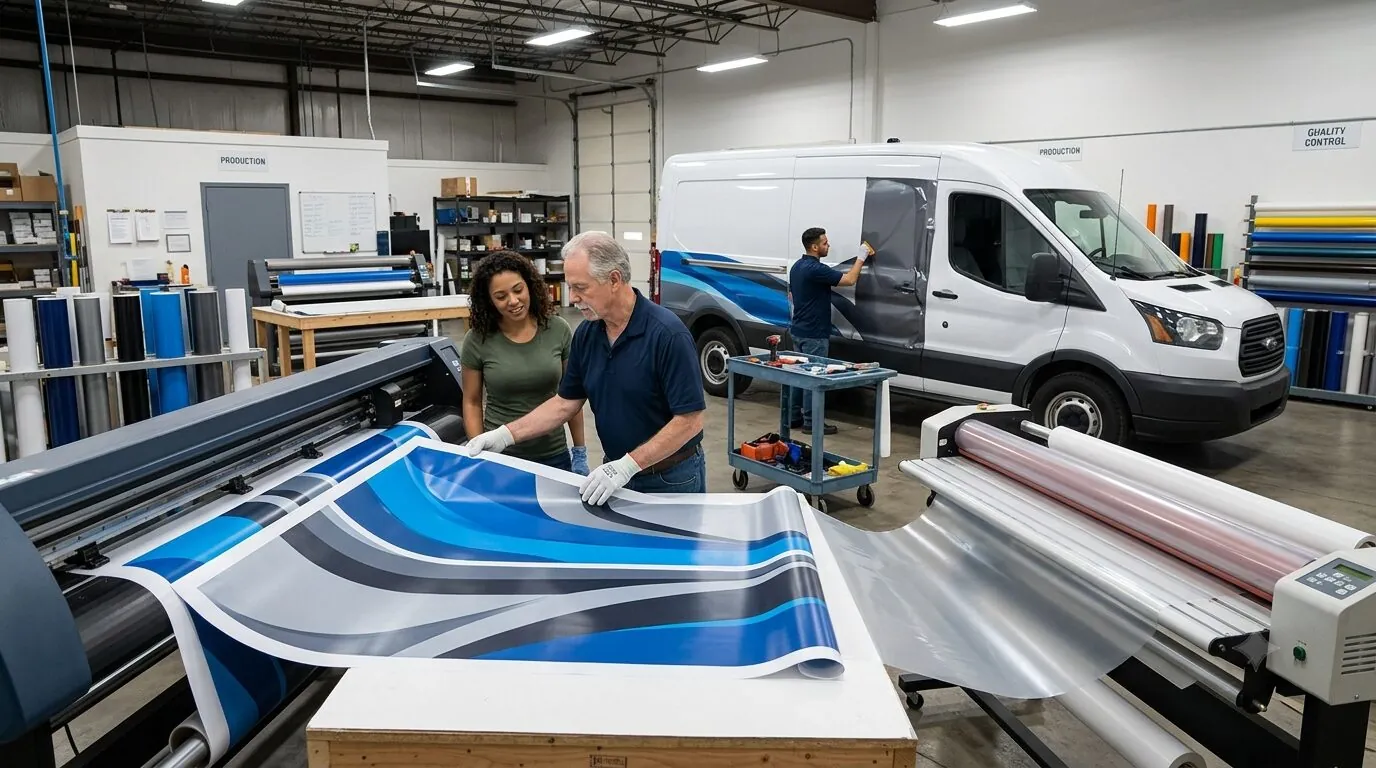
Get a Film Recommendation for Your Fleet
Not sure whether your project should use 3M, Avery Dennison, or another professional material system?
Pixel Wraps can review your fleet, vehicle surfaces, graphic coverage, operating environment, and expected service period before recommending a specification.
Contact our team to discuss your commercial vehicle-wrap project and receive a recommendation based on your vehicles—not a one-size-fits-all brand preference.