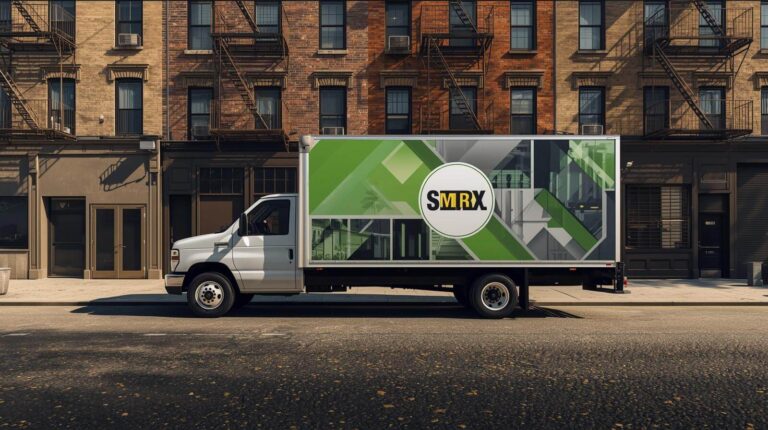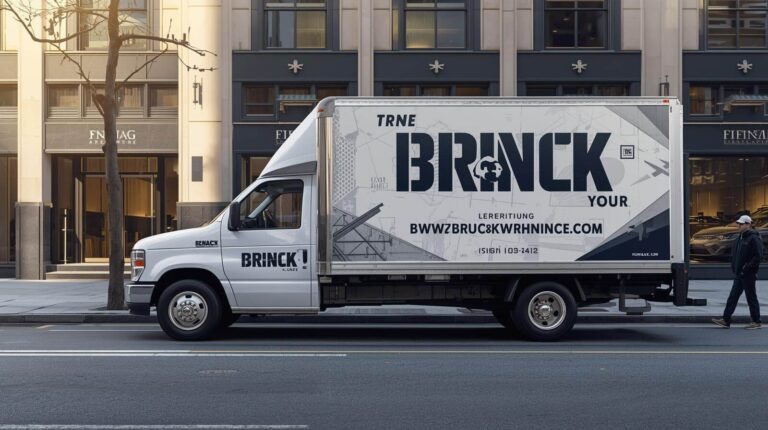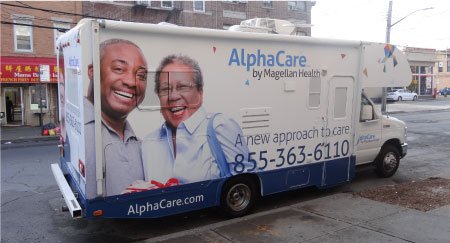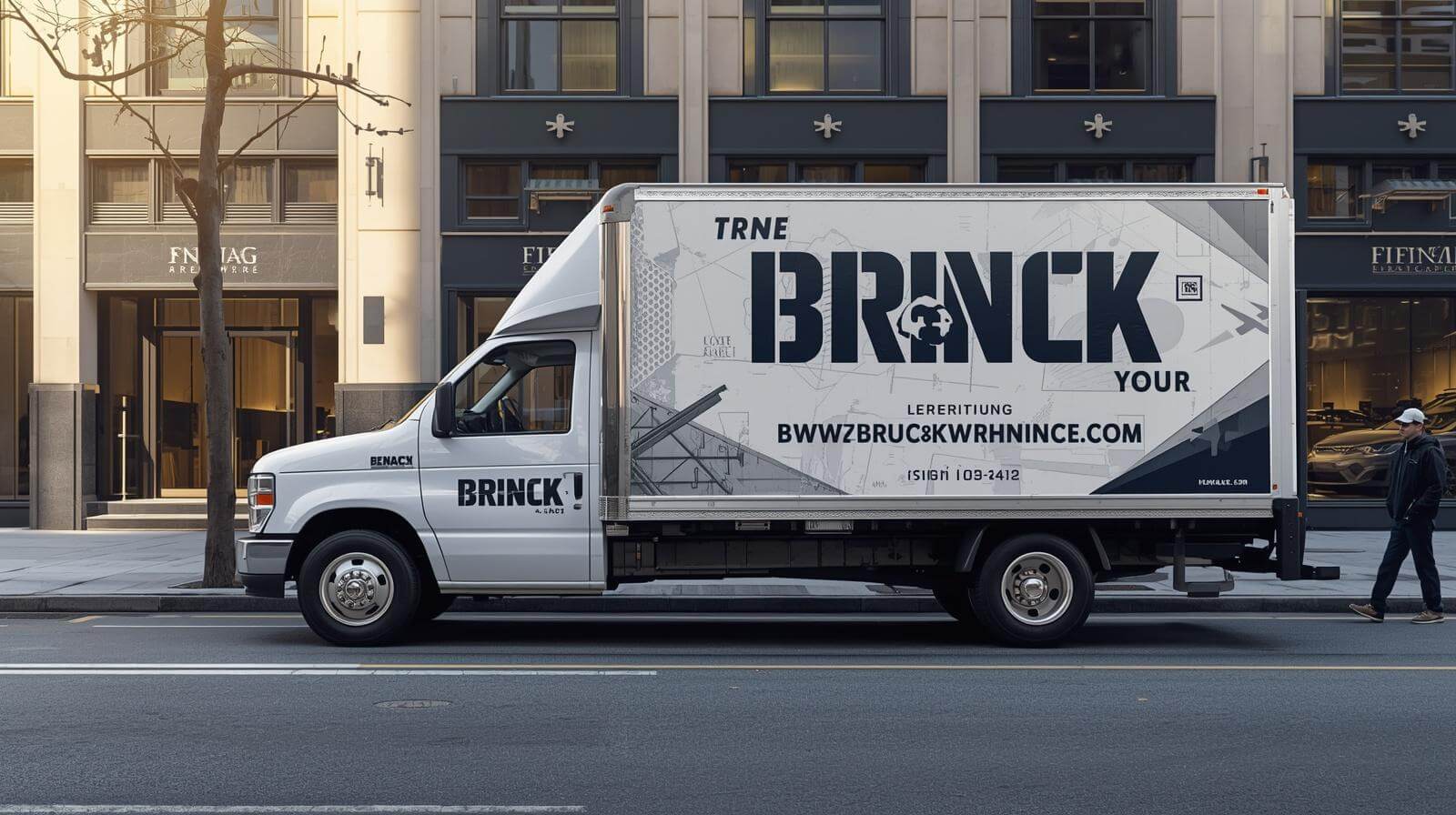
For many businesses, fleet graphics begin as part of a broader effort to improve visibility, consistency, and brand recognition across their vehicles.
Unlike wrapping a single truck or van, fleet branding is rarely as simple as multiplying the cost of one vehicle by the total number in service.
A company operating five service vans will have very different requirements than a contractor managing twenty trucks across multiple locations. Likewise, a delivery fleet replacing vehicles every three years approaches branding differently than a utility company keeping trucks in service for a decade.
This is why successful fleet graphics projects are usually planned as long-term branding programs rather than one-time vehicle purchases.
Before looking at pricing, it’s important to understand the decisions that shape the overall investment.
Fleet Graphics Are Different From Single Vehicle Wraps
When a business wraps a single truck, the conversation is usually focused on design, coverage, and installation.
Fleet projects introduce an entirely different set of considerations.
Questions often include:
- How many vehicles are involved?
- Will more vehicles be added next year?
- Are all vehicles the same model?
- Can vehicles be removed from service simultaneously?
- Does the company operate from multiple locations?
- Is the fleet currently branded?
The answers to these questions often influence costs more than the graphics themselves.
For this reason, fleet pricing is typically developed around the needs of the entire program rather than individual vehicles.
The Short Answer
Most fleet vehicle graphics projects fall within the following ranges:
| Graphics Package | Typical Cost Per Vehicle |
| Lettering & Logos | $300 – $1,500 |
| Spot Graphics | $500 – $2,000 |
| Partial Wraps | $1,500 – $4,500 |
| Full Wraps | $3,500 – $8,000+ |
| Large Box Truck Wraps | $5,500 – $12,000+ |
These figures are intended for budgeting purposes only.
Actual fleet pricing depends on:
- Vehicle quantity
- Vehicle type
- Graphic coverage
- Existing graphics
- Installation requirements
- Fleet rollout strategy
- Future growth plans
The most accurate budgets are built around the specific fleet rather than industry averages.
How Fleet Managers Usually Budget Vehicle Graphics
One of the biggest mistakes businesses make is viewing fleet graphics as a one-time expense.
Most successful fleet programs are built around a longer timeline.
Instead of asking:
How much will it cost to wrap our vehicles today?
Many fleet managers ask:
What will this branding program look like over the next three to five years?
This shift changes how budgets are developed.
A growing service company may only have six vehicles today but expect to operate fifteen vehicles within two years. Establishing graphics standards early often makes future vehicle additions easier, faster, and more consistent.
The Three Decisions That Drive Fleet Costs
While every project is different, three factors influence pricing more than almost anything else.
Number of Vehicles
A fleet of five vehicles and a fleet of fifty vehicles present very different production requirements.
Vehicle quantity influences:
- Production planning
- Installation scheduling
- Material purchasing
- Project management
However, larger fleets do not automatically translate into lower costs per vehicle.
The structure of the project often matters more than the quantity alone.
Vehicle Type
Not all fleets are built the same.
Common fleet vehicles include:
- Pickup trucks
- Cargo vans
- Sprinter vans
- Service body trucks
- Utility trucks
- Box trucks
A fleet consisting entirely of cargo vans is generally easier to standardize than a fleet containing multiple vehicle types with different dimensions and branding requirements.
Coverage Level
Coverage decisions have a major impact on overall budget.
The difference between lettering and a full wrap can be several thousand dollars per vehicle.
This is often where businesses see the largest budget swings.
Choosing the Right Coverage Strategy
One of the most important decisions in a fleet branding project is determining how much of each vehicle should be covered.
Lettering Programs
Many fleets begin with basic identification graphics.
These packages typically include:
- Company name
- Logo
- Phone number
- Website
This approach focuses on vehicle identification rather than large-scale visual branding.
Partial Wrap Programs
Partial wraps are often the most common choice for commercial fleets.
They allow businesses to create a strong visual presence while controlling material and installation costs.
Many contractors, service companies, and regional operators view partial wraps as the balance point between budget and visibility.
Full Fleet Wrap Programs
Full wraps offer the highest level of brand control.
Every vehicle presents a consistent appearance regardless of paint color, trim package, or model variation.
For businesses focused on maintaining a highly standardized fleet image, full wraps are often the preferred option.
The Most Expensive Fleet Wrap Mistake We See
One of the most common mistakes is branding vehicles one at a time without establishing standards.
A company wraps one truck.
Then another.
Then a van.
Then a replacement vehicle.
Several years later, every vehicle looks different.
Different logos.
Different layouts.
Different colors.
Different messaging.
Eventually the company spends additional money redesigning and standardizing everything.
Establishing branding standards early often reduces long-term costs and creates a more professional fleet appearance.
Existing Graphics Can Change the Budget Quickly
Fleet managers frequently focus on new graphics while overlooking old graphics.
Removing existing branding may involve:
- Vinyl lettering
- Partial wraps
- Full wraps
- Adhesive removal
- Surface cleanup
In some situations, removal can represent a significant portion of the project budget.
This becomes especially important during acquisitions, rebranding initiatives, or fleet modernization projects.
Fleet Growth Should Influence Today’s Decisions
A vehicle graphics program should work for the vehicles you will own tomorrow, not just the vehicles you own today.
Questions worth considering include:
- Will additional vehicles be added next year?
- Will vehicle types change?
- Is expansion planned into new markets?
- Are acquisitions being considered?
- Will the branding remain consistent long term?
Planning for growth often prevents expensive redesigns later.
Fleet Rollouts Rarely Happen All at Once
Many businesses assume fleet graphics are installed simultaneously.
In reality, most commercial fleets are branded in phases.
This helps reduce operational disruption while allowing vehicles to remain active.
Common rollout approaches include:
Scheduled Installations
Vehicles are wrapped in groups over time.
Replacement Cycles
New vehicles receive graphics as older vehicles leave service.
Regional Rollouts
Businesses operating multiple locations often deploy graphics market by market.
We frequently see phased implementation strategies provide greater operational flexibility than attempting to remove an entire fleet from service at once.
Fleet Branding Is About More Than Vehicle Graphics
The strongest fleet programs are built around consistency.
Graphics help create:
- Recognition
- Professional appearance
- Easier identification
- Brand continuity
For growing businesses, consistency often becomes more valuable than the graphics themselves.
A recognizable fleet can help reinforce the same identity across job sites, service calls, commercial properties, distribution routes, and customer locations.
Fleet Vehicle Wrapping Across New York, New Jersey, and Pennsylvania
Fleet graphics are widely used throughout the Tri-State region by:
- HVAC companies
- Plumbing contractors
- Electrical contractors
- Restoration firms
- Logistics providers
- Delivery companies
- Utility contractors
- Transportation operators
Many of these businesses operate across multiple cities, counties, and service territories every day.
As fleets grow, maintaining a consistent appearance across those markets becomes increasingly important.
So, How Much Does Fleet Vehicle Wrapping Cost?
The cost of a fleet graphics program is influenced by far more than vehicle count.
Vehicle types, branding goals, coverage levels, rollout strategy, installation requirements, future growth plans, and existing fleet conditions all play a role in determining the final investment.
For that reason, the most accurate budget is rarely based on an online pricing table.
It’s based on understanding how the fleet operates today and how it is expected to grow tomorrow.
Planning a Fleet Graphics Program
Whether you’re branding five vehicles or fifty, the best results usually come from approaching fleet graphics as a long-term branding system rather than a series of individual vehicle projects.
At Pixel Wraps, we help businesses throughout New York, New Jersey, and Pennsylvania develop scalable fleet branding programs for service vehicles, vans, trucks, utility vehicles, and box trucks. By focusing on consistency, growth planning, and operational requirements, businesses can create a fleet graphics program that remains effective long after the first vehicles are installed.