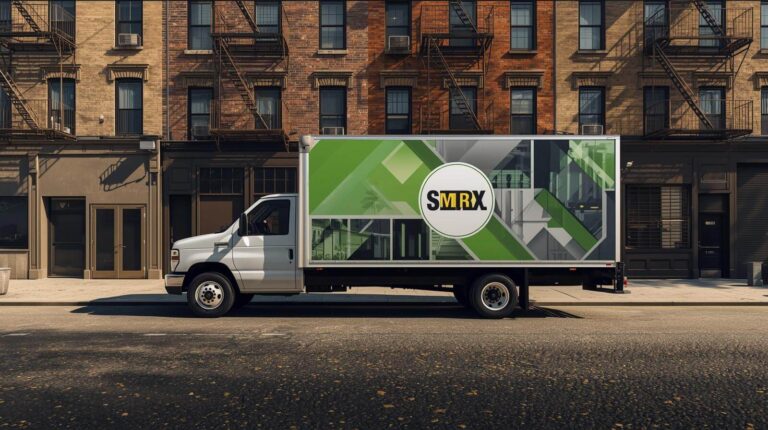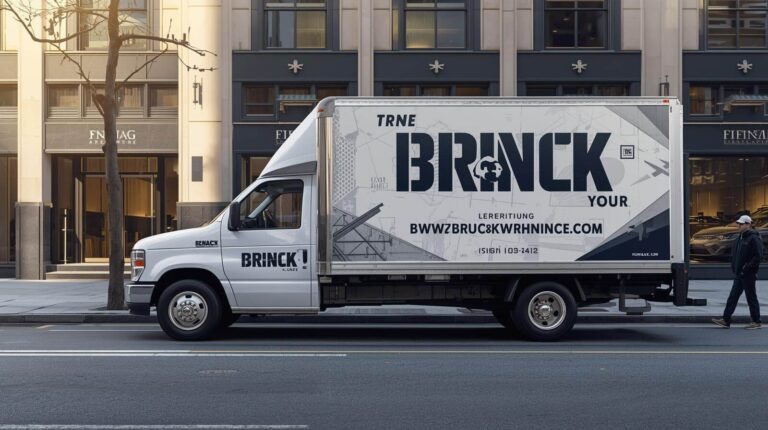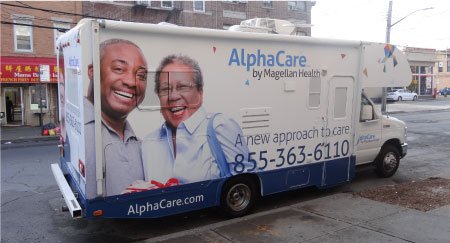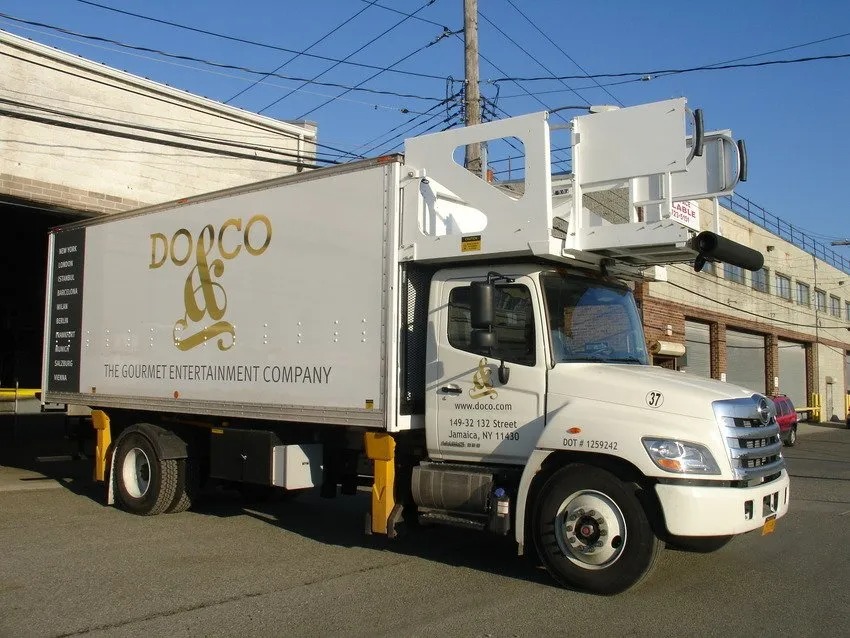
Commercial truck wraps are used by contractors, service companies, delivery operators, transportation providers, and fleet managers to apply consistent branding across their vehicles. Whether it’s a pickup truck, service body truck, utility vehicle, box truck, or an entire fleet, vehicle graphics help businesses present a professional image while keeping branding visible wherever their vehicles operate.
One of the most common questions business owners ask before starting a project is how much a truck wrap costs. The answer depends on several factors, including vehicle size, graphic coverage, material selection, installation complexity, and whether the project involves a single vehicle or an entire fleet. In this guide, we’ll break down typical truck wrap pricing in New York and New Jersey, explain what drives costs, and help you understand what information is needed to receive an accurate quote.
If you’re exploring options for commercial vehicle branding, it’s important to understand how truck wraps fit into a larger vehicle graphics program and how pricing can vary from one project to the next.
Average Truck Wrap Costs by Vehicle Type
Truck wrap pricing can vary considerably depending on the type of vehicle being wrapped and the overall scope of the project. Factors such as vehicle dimensions, graphic coverage, installation complexity, and material selection all contribute to the final investment. While every project is unique, understanding typical pricing ranges can help businesses establish realistic budgets before requesting detailed estimates.
The following pricing ranges reflect common costs for professionally designed, printed, laminated, and installed truck wraps. These figures are intended as general guidelines for commercial vehicles and can serve as a helpful starting point when comparing different wrap options and coverage levels.
| Vehicle Type | Partial Wrap | Full Wrap |
| Pickup Truck | $1,500 – $3,000 | $3,500 – $5,500 |
| Service Truck | $2,000 – $4,000 | $4,000 – $6,500 |
| Utility Truck | $2,500 – $4,500 | $4,500 – $7,500 |
| Cargo Van | $1,800 – $3,500 | $3,800 – $6,500 |
| Sprinter Van | $2,500 – $4,500 | $4,500 – $7,500 |
| Box Truck | $3,500 – $8,000 | $5,500 – $12,000+ |
| Semi Truck Cab | $4,000 – $8,000 | $6,000 – $10,000+ |
These ranges should be used as general budgeting guidelines rather than exact pricing. A 16-foot box truck and a 26-foot box truck may both fall under the same vehicle category but require substantially different amounts of material and labor. Likewise, two trucks with identical dimensions may have completely different costs depending on graphic coverage, design requirements, and installation conditions.
For fleet projects, pricing may also vary based on the number of vehicles involved, installation scheduling requirements, and whether the graphics package has already been developed.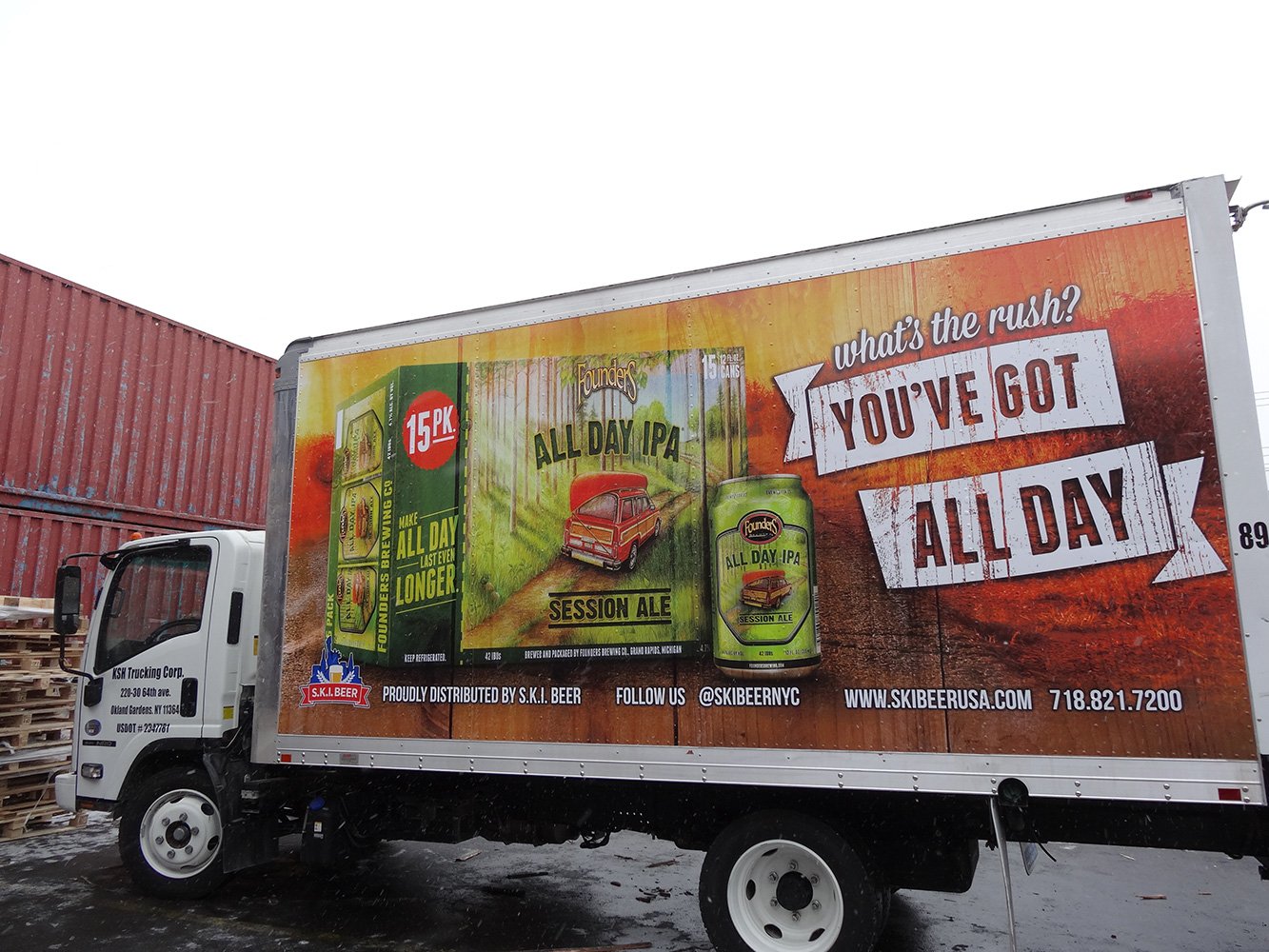
What Impacts the Cost of a Truck Wrap?
Truck wrap pricing is determined by much more than vehicle size alone. Understanding the major cost factors helps explain why estimates can vary significantly between projects.
Vehicle Size and Surface Area
The amount of printable square footage is one of the largest factors affecting cost. Larger vehicles require more vinyl, more laminate, additional production time, and more installation labor.
For example, a standard pickup truck may require less than half the material needed for a large box truck. Vehicles with tall side panels, extended cargo areas, or oversized rear doors generally require more production and installation time.
Vehicle configuration also matters. Utility trucks with storage compartments, service body trucks with multiple access panels, and semi trucks with complex contours typically require more labor than vehicles with smooth surfaces.
Coverage Level
Not every project requires a full wrap.
Common options include:
- Door logos
- Cut vinyl lettering
- Spot graphics
- Partial wraps
- Three-quarter wraps
- Full wraps
A partial wrap typically covers between 25% and 70% of the vehicle and uses the existing paint color as part of the overall design. Full wraps provide complete graphic coverage across most painted surfaces and offer the highest level of design flexibility.
Many contractors and service companies choose partial wraps because they provide strong branding while reducing overall project costs.
Design Complexity
A truck displaying a logo, phone number, and website requires significantly less design work than a vehicle featuring custom photography, product imagery, multiple marketing messages, or detailed brand elements.
Design complexity can affect:
- Design hours
- Production setup
- Color matching
- Installation planning
- Future fleet consistency
For businesses operating multiple vehicles, investing in a well-developed graphics package often simplifies future fleet expansion and replacement programs.
Material Selection
Professional vehicle wraps are typically produced using premium cast vinyl films specifically engineered for vehicle applications.
Common materials include:
- 3M IJ180
- 3M Envision 480
- Avery Dennison MPI 1105
- Orafol premium cast films
These materials are designed to conform around curves, rivets, channels, and complex vehicle surfaces while maintaining long-term durability.
Material quality plays a significant role in both performance and lifespan. Lower-cost materials may reduce upfront expenses but often provide shorter service life and more challenging removal.
Surface Preparation
Every vehicle must be properly prepared before installation.
Surface preparation may include:
- Cleaning
- Degreasing
- Adhesive residue removal
- Existing decal removal
- Contaminant removal
Vehicles that have been exposed to years of weather, construction environments, or previous graphics may require additional preparation before installation can begin.
Existing Graphic Removal
Removing old vinyl graphics is frequently overlooked during budgeting.
Factors that influence removal costs include:
- Age of existing graphics
- Material quality
- Adhesive condition
- Amount of coverage
- Vehicle condition
Graphics that have remained on a vehicle for many years often require additional labor compared to newer installations.
Why Two Truck Wrap Quotes Can Be Thousands of Dollars Apart
Business owners are often surprised when wrap estimates vary dramatically between providers.
In many cases, the difference comes down to production standards, material quality, installation experience, and project scope.
For example, one provider may quote a project using premium cast vinyl and protective laminate, while another may use lower-cost materials designed for shorter-term applications. Although both proposals may appear similar on paper, the long-term performance can be very different.
Other factors that influence pricing include:
- Graphic design quality
- Installation expertise
- Warranty coverage
- Fleet experience
- In-house production capabilities
- Indoor installation facilities
- Project management requirements
For fleet operators, consistency and durability often become more important than simply selecting the lowest initial price.
Truck Wrap Cost by Truck Type
Different vehicle categories present different production and installation requirements.
Pickup Truck Wrap Costs
Pickup trucks are commonly used by contractors, electricians, plumbers, landscapers, and construction companies throughout New York and New Jersey.
Typical pricing ranges:
- Partial wrap: $1,500 – $3,000
- Full wrap: $3,500 – $5,500
Crew cab configurations, extended beds, utility caps, and specialty equipment can influence final pricing.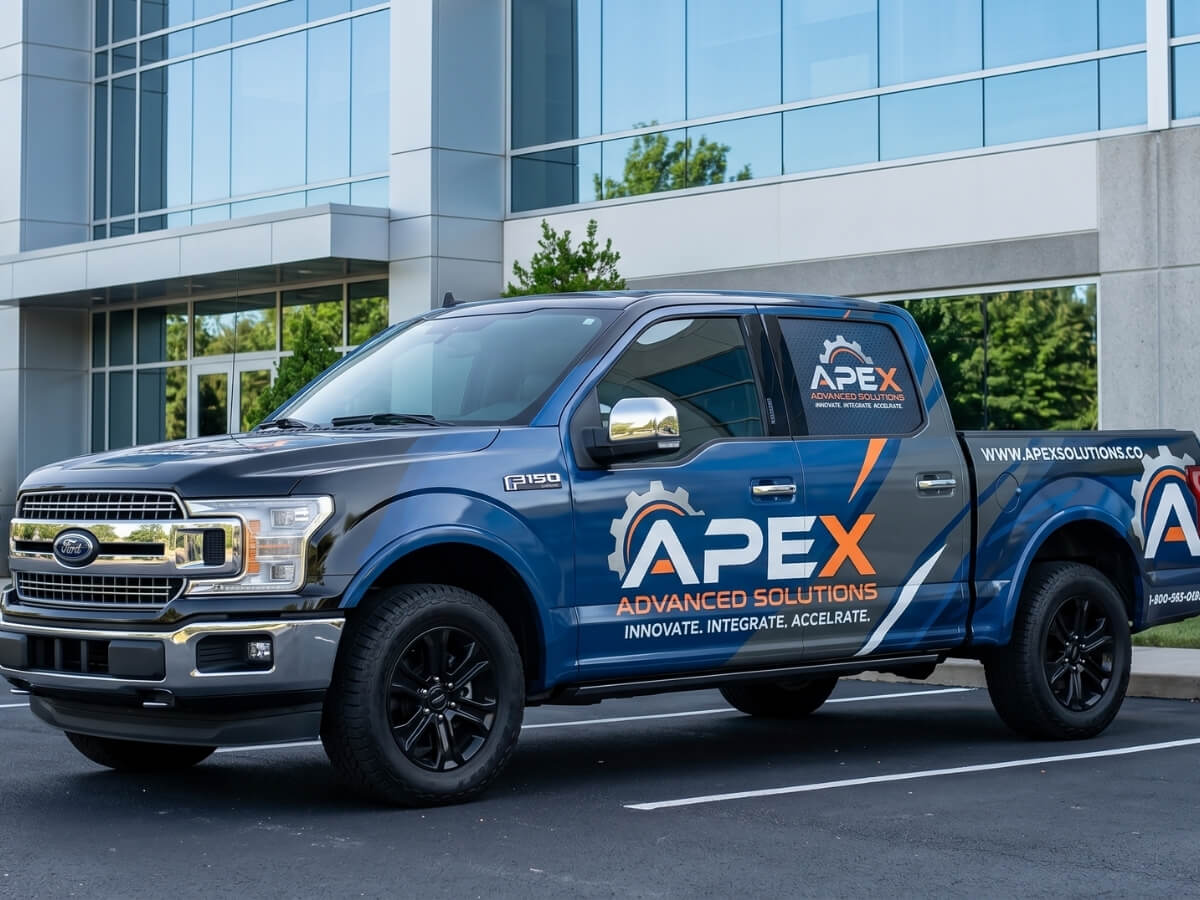
Service Truck Wrap Costs
Service body trucks often include side compartments, utility storage systems, ladder racks, and additional equipment.
Typical pricing ranges:
- Partial wrap: $2,000 – $4,000
- Full wrap: $4,000 – $6,500
The presence of multiple access doors and hardware generally increases installation time.
Utility Truck Wrap Costs
Utility vehicles used by telecommunications providers, infrastructure contractors, and maintenance companies typically require detailed installation work around specialized equipment.
Typical pricing ranges:
- Partial wrap: $2,500 – $4,500
- Full wrap: $4,500 – $7,500
Equipment racks, lift systems, and body modifications can all affect labor requirements.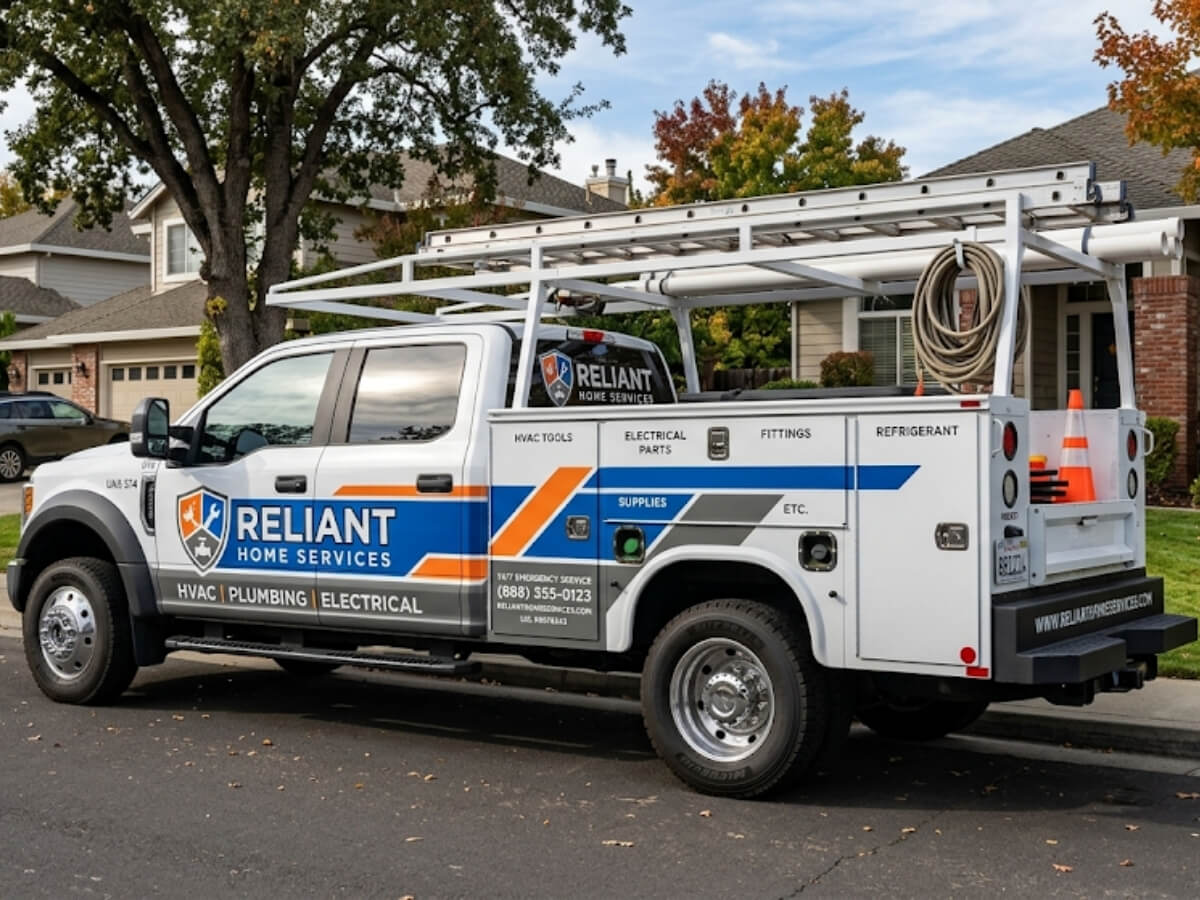
Box Truck Wrap Costs
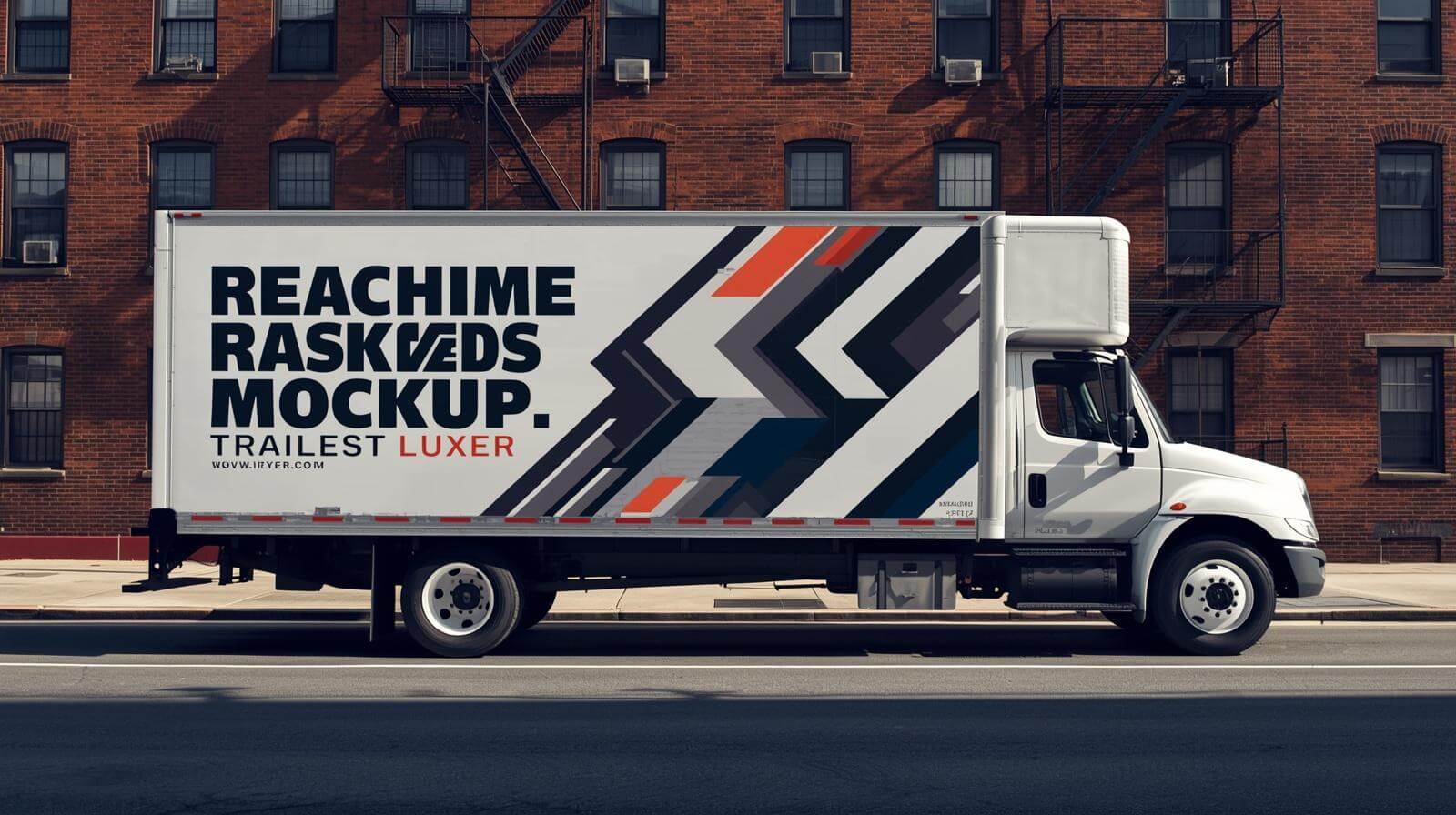
Box trucks offer some of the largest branding surfaces available on commercial vehicles.
Whether it’s an Isuzu NPR, Hino, Freightliner, International, or similar platform, box truck graphics provide extensive space for company branding, service information, and promotional messaging.
Typical pricing ranges:
- Partial wrap: $3,500 – $8,000
- Full wrap: $5,500 – $12,000+
Factors that commonly affect box truck pricing include:
- Box length
- Height
- Rear door graphics
- Riveted panels
- Lift gates
- Existing graphics
Businesses considering large-format vehicle branding often evaluate both partial and full box truck wraps before making a final decision.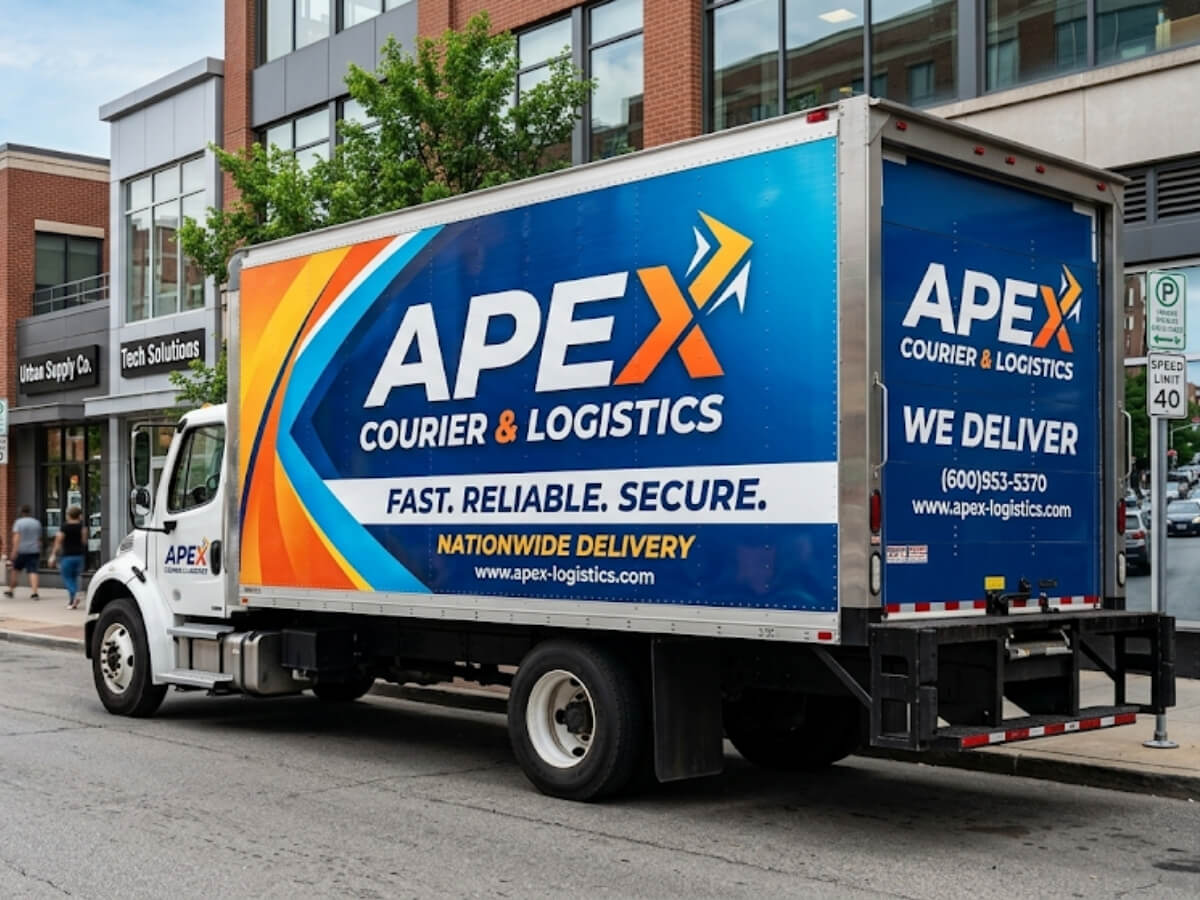
Semi Truck Wrap Costs
Semi trucks require specialized installation techniques due to their contours, hardware, and operating conditions.
Typical pricing ranges:
- Partial wrap: $4,000 – $8,000
- Full wrap: $6,000 – $10,000+
Fleet operators often establish standardized graphics programs to maintain consistency across multiple tractors.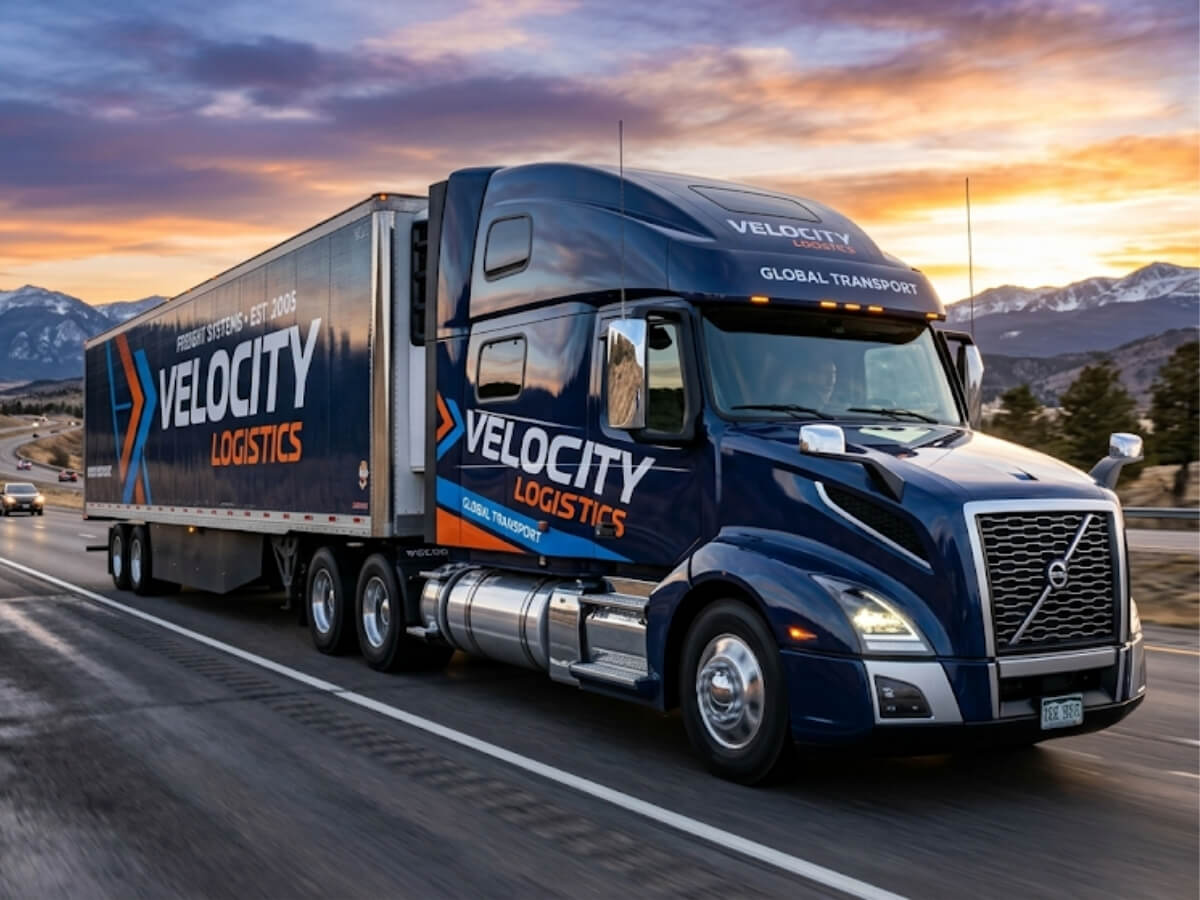
Fleet Truck Wrap Costs
Fleet truck wrap projects require a different pricing approach than single-vehicle installations because they involve broader operational, branding, and scheduling considerations. Whether a company operates a small group of service trucks or a large regional fleet, the goal is typically to create a consistent brand presence across all vehicles while minimizing downtime and maintaining operational efficiency.
Factors that commonly influence fleet wrap pricing include:
- Vehicle quantity
- Installation scheduling
- Standardized graphics
- Production efficiencies
- Fleet rollout requirements
Larger fleet projects often benefit from economies of scale in design, production, and installation, particularly when the same graphics package is applied across multiple vehicles. However, pricing can also be affected by factors such as vehicle variations within the fleet, phased installation schedules, multiple operating locations, and the need to coordinate installations around daily business operations.
For companies managing five, ten, fifty, or even hundreds of vehicles, fleet branding is typically viewed as a long-term investment rather than a one-time graphics project. Establishing standardized vehicle graphics helps maintain brand consistency, simplifies future vehicle additions, and creates a scalable system that can support ongoing fleet growth throughout New York, New Jersey, and beyond.
Partial Wrap vs Full Wrap Costs
One of the most important decisions when planning a truck graphics project is determining how much of the vehicle should be covered. While full wraps often receive the most attention, many commercial vehicles on the road today use partial wraps because they provide strong visual impact at a lower investment. The right choice depends on your branding goals, budget, vehicle color, and how prominently you want your company to stand out in traffic.
A partial wrap typically incorporates the vehicle’s existing paint color into the design, allowing graphics to cover key areas such as the sides, rear panels, and portions of the hood while reducing material and installation costs. Full wraps, on the other hand, transform nearly the entire vehicle into a branded marketing asset by covering most painted surfaces with custom graphics.
| Feature | Partial Wrap | Full Wrap |
| Cost | Lower | Higher |
| Coverage | 25%–70% | Nearly Full Coverage |
| Installation Time | Faster | Longer |
| Design Flexibility | Moderate | Maximum |
| Material Usage | Lower | Higher |
| Fleet Standardization | Good | Excellent |
Partial wraps are commonly selected by contractors, service companies, landscapers, plumbers, electricians, and other businesses that want a professional appearance while maintaining tighter marketing budgets. When designed properly, a partial wrap can deliver excellent visibility and brand recognition without requiring complete vehicle coverage.
Full wraps are often chosen by companies seeking maximum visual impact, highly customized graphics, or consistent branding across larger fleets. Because the entire vehicle becomes part of the design, full wraps offer greater creative flexibility and can create a more uniform appearance across multiple vehicle types. For businesses that rely heavily on mobile advertising or operate in competitive markets, the additional visibility provided by a full wrap may justify the higher investment.
Truck Wrap Cost Per Square Foot
Many business owners ask whether truck wraps can be priced per square foot.
While vinyl materials themselves have measurable square footage costs, most professional vehicle wrap companies do not quote projects using a simple square-foot formula.
Vehicle wraps involve variables that extend beyond material usage, including:
- Vehicle complexity
- Graphic coverage
- Design requirements
- Installation labor
- Surface preparation
- Production setup
- Removal requirements
As a result, two vehicles with similar square footage may still have significantly different pricing.
Additional Costs Businesses Should Consider
When budgeting for a project, it’s important to account for expenses beyond the wrap itself.
Design Services
Businesses without existing artwork may require custom design development before production begins.
Wrap Removal
Old graphics, outdated branding, or leased vehicle returns often require removal services.
Surface Repairs
Damaged paint, rust, body repairs, or compromised surfaces may require correction before installation.
Fleet Scheduling
Large projects may involve phased installations designed to minimize vehicle downtime.
Specialty Films
Certain applications may require:
- Reflective graphics
- Matte finishes
- Satin finishes
- Metallic films
- Specialty overlaminates
These materials can affect overall project pricing.
What Information Is Needed for an Accurate Quote?
The more information provided upfront, the more accurate the estimate will be.
Most wrap providers will request:
- Vehicle make
- Vehicle model
- Vehicle year
- Vehicle photos
- Desired coverage level
- Existing graphics information
- Project timeline
- Fleet quantity
Photos are especially helpful because they allow installers to identify equipment, modifications, storage compartments, lift gates, and other factors that may affect production and installation.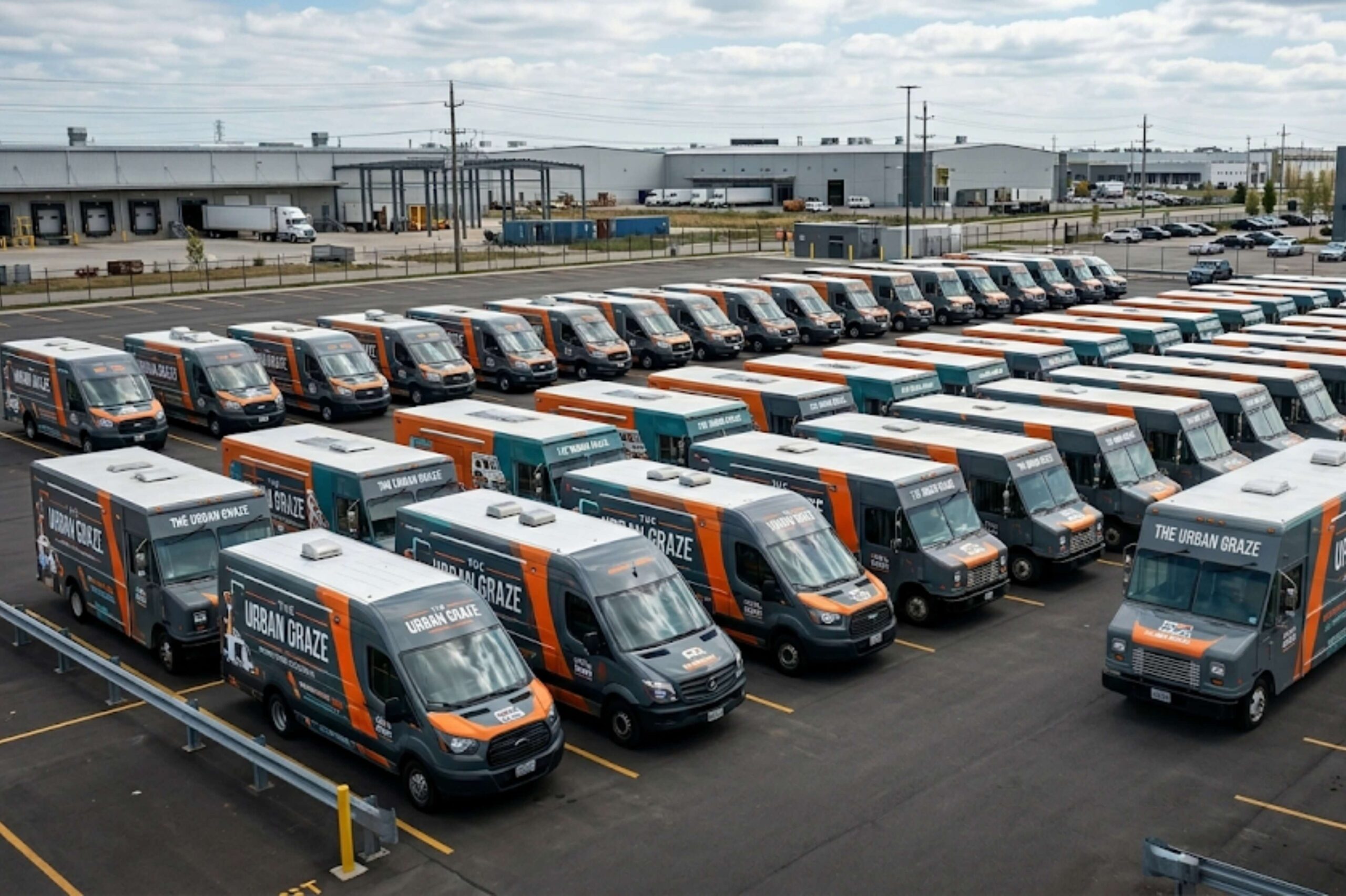
Truck Wrap Pricing for Fleet Vehicles
Fleet branding projects often involve considerations beyond the cost of a single vehicle.
Companies operating multiple trucks must consider:
- Vehicle availability
- Route schedules
- Installation sequencing
- Brand consistency
- Future vehicle additions
- Replacement cycles
A fleet graphics program may include service trucks, vans, box trucks, and utility vehicles operating across multiple locations.
For this reason, many businesses develop a standardized branding package that can be replicated as vehicles are added to the fleet. This approach helps maintain a consistent appearance while simplifying future production and installation requirements.
Truck Wraps for Businesses Across New York and New Jersey
Truck wraps are used by businesses throughout New York City, Long Island, Northern New Jersey, Central New Jersey, and surrounding service areas.
Contractors operating in Manhattan often have different vehicle requirements than delivery companies serving Brooklyn, Queens, the Bronx, or Staten Island. Likewise, businesses serving multiple markets throughout New Jersey may require coordinated fleet installations to keep vehicles operating with minimal downtime.
When evaluating pricing, local installation logistics, vehicle access, scheduling requirements, and fleet size can all influence the scope of a project.
Choosing the Right Truck Wrap Partner
Selecting the right truck wrap provider is one of the most important decisions in the vehicle branding process. While pricing is certainly a factor, the quality of the materials, design, production, and installation will ultimately determine how your graphics perform over time and how effectively they represent your business.
The lowest quote is not always the lowest long-term cost.
When comparing providers, businesses should evaluate:
- Material quality
- Installation experience
- Production capabilities
- Fleet experience
- Project management process
- Warranty coverage
- Ability to support future fleet growth
At Pixel Wraps, we work with businesses throughout New York and New Jersey to develop vehicle branding solutions that are designed for durability, consistency, and long-term performance. From single service trucks to large fleet programs, our team manages the design, production, and installation process to help ensure every vehicle reflects your brand professionally.
An experienced provider can help ensure graphics remain consistent across multiple vehicles, locations, and future fleet additions while maintaining installation quality and durability. By partnering with a company that understands commercial vehicle graphics and fleet branding, businesses can maximize the value of their investment while maintaining a professional appearance across their entire fleet.
Request a Truck Wrap Quote
Every truck wrap project is different. Vehicle type, graphic coverage, material selection, fleet size, and installation requirements all influence final pricing.
Whether you’re branding a single pickup truck, a fleet of service vehicles, or a group of box trucks operating throughout New York and New Jersey, understanding the factors that affect cost is the first step toward building an effective vehicle branding program. A detailed quote based on your specific vehicles and project requirements will provide the most accurate pricing and help determine the best approach for your business.